

Introduction: Is Living in Cyprus Worth It?
Living in Cyprus offers an appealing alternative to the UK: Mediterranean sunshine, coastal communities, outdoor living and potentially attractive tax advantages. Yet the reality of settling permanently on the island is more complicated than a two-week holiday suggests.
Summer heat can be exhausting, electricity and housing costs can surprise newcomers, and public healthcare access depends on eligibility. UK nationals must also navigate post-Brexit residency requirements while considering the consequences for their pensions, investments and UK tax obligations.
For retirees, families and professionals, the real question is whether Cyprus offers a better quality of life for their particular circumstances.
This guide examines ten genuine advantages and ten disadvantages of living in Cyprus, helping you distinguish the lifestyle benefits from the financial and practical compromises.

Article Summary: Living in Cyprus for UK Expats
Cyprus can be an excellent place to live for UK nationals who value sunshine, outdoor recreation, established expatriate communities and a slower pace of life. Paphos attracts many retirees, Limassol offers international business opportunities, while Larnaca and Nicosia appeal to households with different budgets and priorities.
However, Cyprus is not automatically cheaper than the UK. Coastal rents, summer electricity bills, private schooling and car ownership can substantially increase household expenditure.
Healthcare eligibility, residence permits and preferential tax treatment also require individual assessment.
The strongest reason to relocate is a demonstrable improvement in your overall quality of life, supported by an affordable household budget, suitable healthcare arrangements and a sustainable long-term financial plan.
Key Takeaways: Pros and Cons of Living in Cyprus
The principal benefits and drawbacks of living in Cyprus depend on your income, location, family circumstances and expectations.
- Climate: Extensive sunshine supports outdoor living, but intense summer heat increases cooling costs.
- Affordability: Some everyday expenses may be lower than in the UK; desirable coastal housing and imported products can be expensive.
- Healthcare: Public GESY and private services offer options, but access and insurance requirements vary.
- Property: Cyprus offers coastal apartments and villas, although ownership, maintenance and resale risks require careful assessment.
- Residency: UK nationals can explore qualifying residence routes, but post-Brexit rules restrict automatic settlement rights.
- Financial planning: Cyprus tax incentives may benefit eligible residents, while UK pensions, currency fluctuations and continuing UK tax exposure can affect actual savings.
The right decision requires weighing these trade-offs together.
Living in Cyprus: Pros and Cons at a Glance
What are the main pros and cons of living in Cyprus? The greatest advantages include its Mediterranean climate, outdoor lifestyle, established UK expatriate communities and potential tax benefits. The disadvantages include extreme summer heat, car dependence, administrative delays and costs that vary considerably between locations.
A retiree seeking coastal tranquillity may find Paphos particularly appealing, while a professional prioritising career opportunities might prefer Limassol or Nicosia. Families face different considerations, particularly schooling, healthcare and housing.
The comparison below highlights the principal advantages and disadvantages of Cyprus living. It also identifies where an attractive lifestyle feature can create an unexpected financial or practical obligation.
Cyprus is neither universally affordable nor universally suitable. The best decision depends on which benefits matter most to you—and which compromises you are prepared to accept.
Living in Cyprus: Pros and Cons at a Glance
| Feature | Advantages of Living in Cyprus | Disadvantages of Living in Cyprus |
| Climate | Extensive sunshine, mild winters and outdoor living | Extreme summer heat, humidity and cooling costs |
| Cost of living | Potential savings on selected everyday expenses | Expensive imported goods, electricity and premium coastal housing |
| Taxation | Potential non-dom, foreign pension and employment tax incentives | Strict eligibility conditions; UK tax liabilities may continue |
| Property | Coastal apartments, villas and varied residential locations | Title, developer, maintenance and resale risks |
| Healthcare | GESY public healthcare and private medical services | Eligibility restrictions, insurance costs and possible waiting times |
| Safety | Generally attractive residential environment and established communities | Road safety, driving standards and location-specific risks |
| Language | English widely spoken in many professional and expatriate settings | Greek remains important for administration and integration |
| Residency | Residence pathways available to qualifying UK nationals | Post-Brexit immigration requirements and documentation |
| Retirement | Mediterranean lifestyle and potential pension tax advantages | Pension taxation, healthcare access and estate-planning complications |
| Employment | Opportunities in international business and specialist sectors | Smaller employment market and potentially lower local salaries |
| Education | Public, private and international schooling options | International school fees and language considerations |
| Transport | Manageable distances between principal towns | Car dependence and limited public transport outside main routes |
| Lifestyle | Beaches, outdoor recreation, social communities and a relaxed pace | Seasonal tourism, bureaucracy and cultural adjustment |
| Best suited to | Retirees, families, professionals and investors whose priorities align with Cyprus | Less suitable for those needing extensive public transport, cooler weather or a large employment market |
The most significant drawbacks are often those that emerge after the initial excitement of relocation: higher-than-expected household expenditure, limited transport options, difficulties accessing services and the financial consequences of an incorrectly planned move.
These considerations form the basis of the following detailed assessment of the ten biggest advantages and ten biggest disadvantages of living in Cyprus.
Is Cyprus the Right Move for You?
Sunshine and lower living costs mean little if Cyprus doesn’t suit your finances, family or future plans.
Find out whether the benefits genuinely outweigh the risks before committing.
Limited private strategy slots available each week.
Trusted by UK nationals globally.
Prefer to speak directly? Tel: +44 208 058 8937.
Alternatively, email: connect@adviceforexpats.com.
The 10 Biggest Advantages of Living in Cyprus
The benefits of living in Cyprus extend well beyond its beaches and Mediterranean climate. For UK nationals, the strongest attractions are often the combination of outdoor living, established expatriate communities, housing choices and opportunities to structure retirement or investment income more efficiently.
However, the value of each advantage depends on where you live, how you earn your income and what you expect from everyday life. These ten benefits deserve consideration alongside the corresponding disadvantages.
Mediterranean Climate and Sunshine
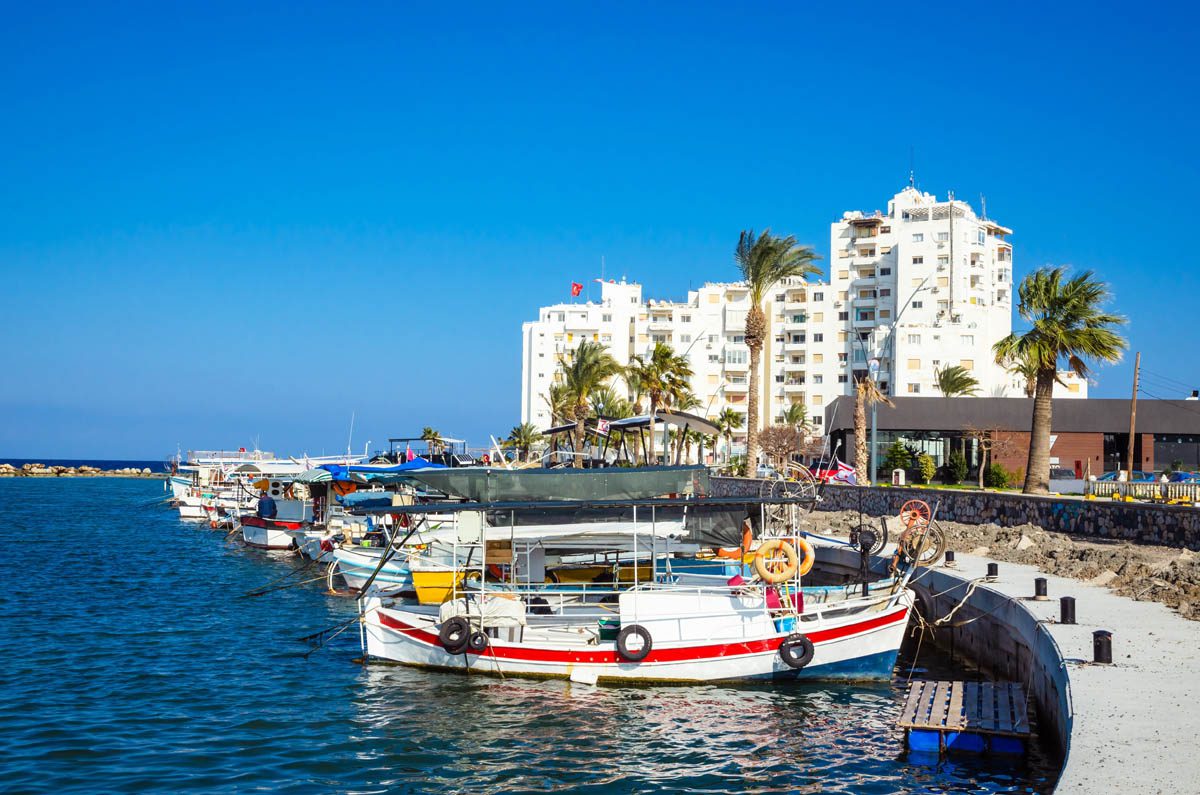
Cyprus offers long, sunny summers, relatively mild coastal winters and opportunities to spend much of the year outdoors. For UK nationals accustomed to shorter winter days, the change can be particularly appealing.
The climate encourages year-round walking, cycling, swimming and outdoor dining. Coastal areas such as Paphos and Larnaca offer accessible beaches, while the Troodos Mountains provide cooler conditions and walking routes during warmer months.
The practical advantage is greater flexibility in how you spend your time, particularly during autumn, winter and spring.
However, choosing where to live matters. Inland Nicosia experiences hotter summers than many coastal locations, and south-facing apartments without adequate shading can become uncomfortable. The climate is a genuine benefit, but property orientation, insulation and air-conditioning should influence your housing decision.
Potentially Attractive Living Costs
Living in Cyprus can offer good value compared with expensive parts of the UK, particularly for households willing to live outside premium coastal developments.
Local seasonal produce, neighbourhood restaurants and some leisure activities may be relatively affordable. Retirees who own their home outright can also avoid the substantial monthly rental costs that dominate many household budgets.
However, the savings are not universal. Limassol’s desirable residential areas can be expensive, while imported groceries, electricity, private healthcare and international schooling can erode the advantage.
The strongest financial opportunity is therefore flexibility: choosing a location and lifestyle that suit your income rather than assuming Cyprus is automatically cheaper.
For a meaningful comparison, calculate your expected monthly expenditure using actual housing, transport, healthcare and utility costs.
Preferential Cyprus Tax Opportunities
Cyprus offers several tax incentives that can make relocation financially attractive for qualifying UK investors, retirees and executives.
Eligible non-domiciled tax residents may benefit from exemptions from Special Defence Contribution on qualifying dividends and interest. Certain foreign pensions can receive preferential taxation, while qualifying employees may access substantial employment income exemptions.
These opportunities can be especially relevant to households with investment portfolios, private pensions or internationally mobile careers.
However, the advantages are conditional. Immigration residence, Cyprus tax residence and non-dom status are different legal concepts. Continuing UK tax obligations and Cyprus healthcare contributions can also affect the outcome.
The financial benefit should be established through an individual UK-versus-Cyprus calculation before relying on any preferential regime.
Our detailed guide to Cyprus tax savings for British expats explains the non-dom regime, preferential pension taxation and employment income exemptions, including eligibility requirements and the potential financial advantages of each.
Established UK Expat Communities
One advantage of living in Cyprus is the availability of established English-speaking expatriate communities, particularly around Paphos and parts of Limassol and Larnaca.
New arrivals can find social groups, recreational clubs, familiar services and opportunities to meet people who have already navigated the challenges of relocating from the UK.
This can make the transition easier for retirees who no longer have a workplace through which to build friendships. It can also help families obtain practical information about schools, neighbourhoods and local services.
English is widely used in many business and tourism settings, reducing some initial language barriers. Our living in Cyprus guide explores everyday life, cultural integration and practical considerations in greater depth.
Nevertheless, expatriate networks work best as a starting point. Learning some Greek and developing local relationships can create a richer, more sustainable experience of Cyprus life.
Coastal Property and Housing Choices
Cyprus offers a broad range of residential property, from modern seafront apartments and established urban neighbourhoods to village houses and detached villas with gardens.
This variety allows UK nationals to choose between an active coastal lifestyle, convenient city living and quieter surroundings away from major tourist centres.
Paphos may appeal to retirees seeking established communities, while Limassol offers contemporary developments and access to international businesses. Larnaca provides a different balance of residential neighbourhoods, coastal amenities and airport access.
Property ownership can also offer long-term residential stability for households intending to remain in Cyprus.
However, buying should follow careful legal and financial due diligence. Title documentation, planning permissions, maintenance obligations and resale prospects vary between properties. Renting initially can help establish whether a location genuinely suits year-round living.
Public and Private Healthcare Options
Cyprus provides healthcare through its General Healthcare System, known as GESY, alongside private hospitals, clinics and specialist providers.
For eligible residents, GESY offers access to registered personal doctors, specialist referrals, prescriptions and other covered services, subject to applicable contributions and co-payments.
Private healthcare provides another option for individuals who prefer particular consultants, facilities or appointment arrangements.
This combination can be attractive to UK retirees and families seeking a choice of healthcare providers.
However, eligibility is not automatic simply because someone owns property or holds a residence permit. UK nationals should establish their healthcare entitlement, any applicable S1 arrangements and the need for private insurance before relocating.
For individuals requiring regular specialist treatment, the availability of suitable services near their intended home is especially important.
Outdoor Lifestyle and Recreation
Cyprus offers a lifestyle in which beaches, mountains, coastal paths and outdoor restaurants can become part of everyday life rather than occasional holiday activities.
Residents can swim, walk, cycle, sail and explore nature trails across much of the year. The Troodos Mountains provide a contrast to coastal living, with traditional villages, forest routes and seasonal mountain activities.
The island also has archaeological sites, festivals, local markets and a distinctive food culture that offer alternatives to resort-based entertainment.
For retirees, these activities can provide structure and social opportunities. Families may value accessible beaches and outdoor recreation, while professionals can enjoy a change of pace outside working hours.
The benefit is greatest for people who actively enjoy outdoor living and are comfortable adapting their routines during the hottest months.
Retirement Lifestyle and Pension Opportunities
Retiring to Cyprus can appeal to UK nationals seeking a Mediterranean lifestyle without abandoning familiar language, social networks or access to international services.
Mild winters, coastal communities and opportunities for outdoor activity can make retirement particularly attractive. Established expatriate groups also provide opportunities to build friendships after leaving full-time employment.
Cyprus may offer preferential taxation of qualifying foreign pension income, although the available election must be compared with ordinary Cyprus income tax.
The more important question is how much retirement income remains available after tax, healthcare, housing and everyday expenditure.
For retirees receiving sterling-denominated pensions, exchange-rate movements can materially affect purchasing power. A sustainable retirement plan should therefore consider inflation, future healthcare needs, surviving-spouse income and the financial implications of retaining UK assets.
Family-Friendly Locations and Education
Families considering Cyprus can choose between urban neighbourhoods, coastal communities and quieter residential areas with access to schools, parks and recreational facilities.
Public, private and international education options are available, although language of instruction, admission requirements, fees and location vary considerably.
Nicosia and Limassol offer substantial educational and professional infrastructure, while Larnaca and Paphos may appeal to families seeking different housing and lifestyle arrangements.
The outdoor environment can also provide opportunities for swimming, sports and family activities throughout much of the year.
However, school selection should precede a property commitment. Travelling distances, availability of places, curriculum continuity and the cost of private education may determine whether a particular neighbourhood is practical.
Families should assess the entire household’s needs rather than choosing a location solely for its coastal appeal.
Access to Europe and the Eastern Mediterranean
Cyprus provides a strategic base in the Eastern Mediterranean, with international airports at Larnaca and Paphos connecting residents to the UK, European destinations and parts of the wider region.
For UK nationals with family or professional commitments abroad, established air connections can make regular travel feasible, although flight availability and prices vary seasonally.
The island’s position can also appeal to internationally mobile professionals and entrepreneurs whose activities involve regional markets.
Within Cyprus, distances between principal towns are manageable by car, allowing residents to explore different coastal and inland environments.
Nevertheless, Cyprus is geographically separate from mainland Europe. Travel usually involves flying, and the island is not part of the Schengen Area. Residents should consider travel frequency, flight costs and access to UK family when evaluating the practical benefits of its location.
The 10 Biggest Disadvantages of Living in Cyprus
The disadvantages of living in Cyprus deserve as much attention as the benefits. Some are immediately apparent, such as extreme summer temperatures. Others emerge only after relocation, when residents encounter expensive electricity, administrative delays, limited public transport or unexpected financial obligations.
For UK nationals, the most serious drawbacks often depend on personal circumstances. A retiree may be concerned about healthcare and pension income, while a family faces schooling costs and a professional may find the employment market restrictive.
The following ten disadvantages explain where Cyprus living can fall short of expectations, who is most affected and what can be done to reduce the risks.
Extreme Summer Heat and Cooling Costs
Cyprus’s sunshine is attractive, but prolonged summer heat can make everyday life uncomfortable, particularly during July and August.
Temperatures regularly exceed 35°C in inland areas, with Nicosia generally hotter than coastal locations. Humidity can also make some coastal conditions uncomfortable, particularly at night.
For older residents, young children and people sensitive to heat, outdoor activities may need to be restricted to mornings and evenings.
Air-conditioning can become a substantial household expense, especially in larger villas or poorly insulated apartments.
Before choosing a property, examine its energy performance, shading, ventilation and air-conditioning efficiency. A home that feels comfortable during a spring viewing may be considerably less pleasant during August.

Rising Housing, Electricity and Imported-Goods Costs
One of the most underestimated disadvantages of living in Cyprus is that attractive coastal locations are not necessarily inexpensive.
Modern apartments in desirable parts of Limassol can command substantial rents. Property purchase prices, communal charges and maintenance expenses can also place pressure on household budgets.
Electricity costs deserve particular attention because air-conditioning demand increases during summer. Imported food, household products and familiar UK brands may cost considerably more than locally produced alternatives.
For families, international school fees can add another significant expense.
The practical solution is to compare total annual expenditure rather than individual prices. A lower restaurant bill means little if housing, transport, healthcare and utilities absorb the savings.
Cyprus can offer good value, but affordability depends heavily on location and lifestyle.
Conditional Tax Benefits and Continuing UK Liabilities
Cyprus’s preferential tax regimes are attractive, but qualifying for them is more complicated than becoming a resident or purchasing property.
Non-dom benefits depend on tax residence and domicile conditions. Preferential foreign pension taxation applies only to qualifying income, while employment exemptions require specific remuneration and residence histories.
A UK national may also remain liable for UK tax after relocating, depending on the Statutory Residence Test, income sources and applicable treaty provisions. HMRC’s Statutory Residence Test guidance explains how UK tax residence is determined.
Healthcare contributions can further reduce the apparent benefit of an exemption.
The financial risk is making relocation decisions based on an advertised tax rate without calculating the actual outcome.
Before moving, establish both your Cyprus eligibility and your UK departure position. A tax advantage that exists on paper may be considerably smaller once all liabilities are included.
Challenges Integrating Beyond Expat Communities
Established UK expatriate communities can make Cyprus feel welcoming, but they can also create an unexpected disadvantage: limited integration into wider Cypriot society.
English is widely spoken in many commercial and tourist settings. However, Greek remains important in everyday local interactions, public administration and relationships outside expatriate networks.
New arrivals who remain exclusively within English-speaking communities may find it harder to develop lasting local friendships or understand cultural expectations.
The slower pace of some services and different approaches to appointments or administration can also frustrate people accustomed to UK practices.
Learning conversational Greek, participating in community activities and spending time outside established expatriate areas can improve integration.
For anyone planning permanent residence, social belonging deserves as much consideration as climate or property.
Property Ownership, Title and Resale Risks
Buying property in Cyprus can involve legal and financial risks that are not immediately obvious from an attractive development brochure.
Purchasers should investigate title deeds, planning permissions, developer obligations, communal maintenance charges and any restrictions affecting ownership or resale.
Older properties may require expenditure on insulation, damp prevention, air-conditioning and general maintenance. New developments can carry different risks relating to construction quality, completion and ongoing service charges.
The property market also varies significantly by location. A home that attracts holiday buyers may not appeal equally to permanent residents.
Particular caution is necessary with property in northern Cyprus, where unresolved ownership disputes can create serious legal consequences.
Independent legal advice and comprehensive property due diligence are essential. Renting before buying can reduce the risk of committing to an unsuitable location. Our Cyprus property buying guide examines the legal, financial and residency considerations involved in purchasing property.
Healthcare Eligibility and Insurance Costs
Cyprus has public and private healthcare services, but UK nationals should not assume they will automatically qualify for GESY after relocating.
Entitlement depends on the applicable eligibility conditions, residence circumstances and relevant healthcare arrangements. Some retirees may qualify through an approved S1 route, while others may require private medical insurance.
Private cover can become more expensive with age, and policies may contain exclusions, excesses or restrictions relating to existing medical conditions.
Specialist availability also varies between locations. Residents requiring regular treatment may need to travel to larger urban centres.
For retirees and families, healthcare planning should take place before choosing a property or establishing residence.
Confirm eligibility, insurance costs, specialist access and emergency arrangements in writing. A favourable climate does not compensate for inadequate access to essential medical care.
Bureaucracy and Administrative Delays
Administrative procedures can be a frustrating aspect of living in Cyprus, particularly for UK nationals unfamiliar with local documentation and processes.
Residence applications, tax registration, banking arrangements, vehicle administration and property transactions may involve several authorities and different supporting documents.
Appointments and processing periods can vary, while some procedures require personal attendance or additional paperwork.
Following Brexit, UK nationals who do not have protected rights under the Withdrawal Agreement must establish an appropriate legal basis for longer-term residence.
The greatest difficulty often arises when individuals assume that obtaining one document automatically satisfies other requirements.
Prepare a clear document checklist and allow time for administrative procedures. Independent professional assistance may be worthwhile where residency, taxation, employment and property arrangements interact.
Pension, Inheritance Tax and Estate-Planning Risks
Retiring to Cyprus does not automatically remove UK tax obligations or simplify the treatment of pensions and inherited wealth.
UK pension payments may be affected by treaty provisions, while lump-sum withdrawals require separate consideration. An inappropriate pension transfer could introduce charges or result in the loss of valuable benefits.
UK inheritance tax also remains relevant. Under the residence-based framework introduced in April 2025, qualifying individuals can remain exposed to UK inheritance tax on overseas assets for a period after departure.
Cyprus succession arrangements and the treatment of assets in different jurisdictions may create additional planning requirements.
For couples with substantial pensions, investments or UK property, these issues can materially affect long-term financial security.
Review pension benefits, wills, estate exposure and UK residence history before relocating. These decisions should not be postponed until retirement income is already being drawn.
International School Fees and Language Barriers
Families relocating to Cyprus must consider whether suitable schooling is available near their preferred residential location.
Public education may be appropriate for some children, but Greek-language instruction can create difficulties for pupils arriving without sufficient language skills.
Private and international schools offer alternatives, although fees, admissions requirements, curricula and availability vary between institutions.
For older children, changing education systems may affect examination preparation and future university plans.
School transport and daily travel times can also become significant, particularly when families choose coastal properties some distance from educational facilities.
Confirm school availability, total fees and curriculum compatibility before committing to housing. The right school may ultimately determine the most suitable location for the entire family.
Car Dependence and Distance from UK Family
Public transport in Cyprus is more limited than in many parts of the UK, particularly outside principal urban routes.
Although buses serve major towns and selected intercity connections, many residents find a car necessary for shopping, medical appointments, school journeys and everyday activities.
Car ownership introduces additional expenses, including insurance, fuel, maintenance and parking. Driving conditions and road safety also require consideration.
Geographical separation from the UK can become more significant over time, especially for retirees with ageing parents or families with children living abroad.
Flights provide useful connections, but travel costs, seasonal schedules and unexpected family emergencies can complicate arrangements.
Before relocating, consider whether you are comfortable relying on a car and travelling regularly to maintain family relationships. These practical disadvantages can outweigh the appeal of Mediterranean living.
Living in Cyprus: 10 Pros vs 10 Cons
The table below pairs the ten principal advantages with their corresponding disadvantages. It provides a direct comparison for UK nationals assessing whether the benefits of Cyprus living outweigh the practical and financial compromises.
| # | Principal advantage | Corresponding disadvantage |
| 1 | Mediterranean Climate and Sunshine | Extreme Summer Heat and Cooling Costs |
| 2 | Potentially Attractive Living Costs | Rising Housing, Electricity and Imported-Goods Costs |
| 3 | Preferential Cyprus Tax Opportunities | Conditional Tax Benefits and Continuing UK Liabilities |
| 4 | Established UK Expat Communities | Challenges Integrating Beyond Expat Communities |
| 5 | Coastal Property and Housing Choices | Property Ownership, Title and Resale Risks |
| 6 | Public and Private Healthcare Options | Healthcare Eligibility and Insurance Costs |
| 7 | Outdoor Lifestyle and Recreation | Bureaucracy and Administrative Delays |
| 8 | Retirement Lifestyle and Pension Opportunities | Pension, Inheritance Tax and Estate-Planning Risks |
| 9 | Family-Friendly Locations and Education | International School Fees and Language Barriers |
| 10 | Access to Europe and the Eastern Mediterranean | Car Dependence and Distance from UK Family |
For some households, the disadvantages are manageable through careful planning. Others may discover that healthcare needs, employment opportunities, education costs or family commitments make Cyprus less suitable than initially expected.
The most useful question is not whether Cyprus has more advantages than disadvantages. It is whether its particular advantages outweigh the disadvantages that matter most to your household.
Buying in Cyprus? Check Before You Commit
The wrong property decision can affect your residency, finances and long-term flexibility.
Understand the wider financial implications before signing or transferring funds.
Limited private strategy slots available each week.
Trusted by UK nationals globally.
Prefer to speak directly? Tel: +44 208 058 8937.
Alternatively, email: connect@adviceforexpats.com.
Cost of Living in Cyprus: Is It Cheaper Than the UK?
Is living in Cyprus cheaper than the UK? It can be, particularly for retirees and households choosing modest accommodation outside premium coastal locations. However, lower expenditure is not guaranteed. Housing, electricity, transport, healthcare and schooling can make Cyprus surprisingly expensive.
The most reliable comparison is a complete annual household budget, rather than isolated prices for groceries, restaurants or property.
Housing, Groceries, Utilities and Transport
Housing is often the largest variable in Cyprus living expenses. Limassol’s international business environment supports demand for premium apartments, while Paphos, Larnaca and smaller residential communities may offer more affordable alternatives.
Local seasonal produce can represent good value, although imported brands and specialist products may cost more than their UK equivalents.
Electricity deserves particular attention. Summer air-conditioning can offset savings on winter heating, especially in poorly insulated properties. Water charges, communal maintenance and internet services should also be included.
Transport is another potential disadvantage. Households accustomed to UK public transport may need one or two cars in Cyprus, adding insurance, fuel and maintenance expenses.
For a more detailed breakdown of household expenditure, consult our cost of living in Cyprus guide before establishing your relocation budget.

Illustrative UK vs Cyprus Household Budget
Consider a retired couple renting a two-bedroom property, owning one car and maintaining a comfortable but not extravagant lifestyle.
The following is a planning illustration, not a verified November 2026 market-price comparison. It demonstrates how housing and healthcare choices affect affordability.
Illustrative monthly budget — two retired adults, no dependent children
| Monthly expense | UK regional city | Cyprus — Paphos area |
| Two-bedroom rental | £1,200 | €1,100 |
| Electricity, water and heating/cooling | £220 | €200 |
| Groceries and household essentials | £450 | €450 |
| Car, fuel and transport | £300 | €350 |
| Healthcare provision | £80 | €200 |
| Internet and mobile phones | £65 | €60 |
| Leisure, dining and miscellaneous | £400 | €400 |
| Monthly total | £2,715 | €2,760 |
For comparison only, assuming £1 = €1.16, the UK budget equals approximately €3,149. The illustrative Cyprus household spends around €389 less per month, or €4,668 annually.
However, that difference could disappear through higher rent, private insurance premiums or additional travel to the UK. The healthcare allowances are hypothetical and do not establish actual GESY eligibility or NHS entitlement.
Currency Risk and Hidden Living Expenses
Retirees receiving UK pensions in sterling face an additional risk: their everyday expenditure is denominated in euros.
For example, a £3,000 monthly pension provides €3,480 at £1 = €1.16, but only €3,300 at £1 = €1.10. That represents €180 less purchasing power each month, before changes in living costs.
Managing regular sterling-to-euro transfers is an important part of retirement budgeting. Our currency exchange for UK expats guide explains how exchange-rate movements and transfer arrangements can affect overseas income.
Other expenses frequently overlooked include private medical insurance, property maintenance, replacement vehicles, international travel and emergency visits to family.
The key financial advantage of Cyprus is therefore not necessarily lower prices. It is the opportunity to design a sustainable lifestyle around your actual income, expenditure and long-term obligations.
Living in Cyprus: Cost of Living and Financial Trade-Offs
| Cost or financial consideration | Potential advantage | Potential disadvantage |
| Property purchase | Opportunities outside expensive UK regions | Premium coastal prices, transaction costs and legal risks |
| Monthly rent | Potential value outside prime locations | High rents in desirable Limassol neighbourhoods |
| Groceries | Seasonal local produce | Imported UK brands and specialist products can cost more |
| Electricity | Reduced winter heating demand in some homes | Summer air-conditioning and property inefficiency |
| Water and utilities | Costs can be managed through efficient properties | Water scarcity, consumption and maintenance expenses |
| Transport | Relatively short journeys between many locations | Car ownership may be essential |
| Healthcare | Public GESY and private options for eligible individuals | Insurance costs and eligibility restrictions |
| Schooling | Public and private education choices | International school fees and transport |
| Taxation | Preferential regimes for qualifying residents | Continuing UK liabilities and eligibility conditions |
| UK pensions | Potential preferential foreign pension taxation | Treaty rules, pension type and tax treatment require review |
| Currency | Predictable euro expenditure for euro-income households | Sterling pension and investment income exposed to exchange rates |
| Overall affordability | Attractive lifestyle-to-cost balance for some households | Savings depend on location, housing and personal circumstances |
The detailed cost of living in Cyprus should be assessed using current prices for the specific location and household circumstances, rather than treating one national average as representative.
Best Places to Live in Cyprus: Lifestyle Pros and Cons
The best places to live in Cyprus depend on whether your priorities are retirement, employment, family life, property ownership or access to healthcare.
Paphos, Limassol, Larnaca and Nicosia offer substantially different experiences. Quieter coastal communities can provide an appealing alternative, but seasonal services and car dependence may affect year-round suitability.
Paphos vs Limassol: Retirement or Professional Lifestyle?
Paphos is particularly attractive to UK retirees seeking established expatriate communities, coastal recreation and a comparatively relaxed pace of life.
Its residential areas offer access to restaurants, healthcare providers and social activities without the intensity of a major international business centre.
Limassol provides a different proposition. Its financial services, shipping, technology and international business sectors appeal to executives, entrepreneurs and internationally mobile households.
However, desirable Limassol property can be expensive, and traffic congestion may affect daily life.
Paphos generally suits lifestyle-focused retirees; Limassol is often better aligned with internationally active professionals. Neither is universally preferable.
Larnaca vs Nicosia: Families, Employment and Affordability
Larnaca combines coastal living with convenient access to Cyprus’s principal international airport. It can appeal to families seeking a balance between residential neighbourhoods, schools and international travel.
Nicosia offers the advantages of a capital city: government services, professional employment, universities and year-round commercial activity.
However, Nicosia is inland and experiences particularly hot summers. Larnaca’s amenities and transport convenience vary between neighbourhoods.
For families, the decisive factors are often school availability, journey times, employment opportunities and access to healthcare rather than proximity to the beach.
Quieter Coastal Communities and Year-Round Living
Protaras, Paralimni, Polis and Latchi appeal to residents seeking quieter surroundings, coastal scenery and access to nature.
However, some tourist-oriented locations become noticeably quieter outside the main holiday season. Shops, restaurants and other services may operate reduced hours or close temporarily.
Ayia Napa offers attractive beaches and recreation, but its concentrated summer nightlife may not suit households seeking tranquillity.
Before buying property in a smaller community, spend time there during winter as well as summer. A location that works beautifully for a holiday may present different challenges for permanent residence.
Best Places to Live in Cyprus: Lifestyle Pros and Cons
| Location | Principal advantages | Potential disadvantages / best suited to |
| Paphos | Established UK expatriate communities, coastal living and retirement amenities | Seasonal tourism, car dependence; particularly suitable for retirees |
| Limassol | International business, professional opportunities, marina and coastal facilities | Higher housing costs and congestion; professionals and HNW households |
| Larnaca | Coastal neighbourhoods, airport access and varied residential choices | Location-dependent services and transport; families and lifestyle-focused residents |
| Nicosia | Capital-city employment, education, healthcare and year-round services | Inland location and hotter summers; professionals and families |
| Protaras / Paralimni | Beaches, residential communities and holiday-home appeal | Seasonal tourism and variable year-round amenities; retirees and second-home owners |
| Ayia Napa | Beaches, recreation and tourism infrastructure | Seasonal nightlife and varying residential suitability; lifestyle-specific buyers |
| Polis / Latchi | Nature, quieter surroundings and lower-density coastal living | Greater car dependence and fewer nearby services; retirees seeking tranquillity |
The right location should be selected for everyday life, not simply its appearance during a property-viewing trip.
Know Where You Stand Before You Move
Your pension, tax position and family circumstances determine whether Cyprus is right for you.
Get clarity on your options before making life-changing financial decisions.
Limited private strategy slots available each week.
Trusted by UK nationals globally.
Prefer to speak directly? Tel: +44 208 058 8937.
Alternatively, email: connect@adviceforexpats.com.
Cyprus Tax, Residency, Healthcare and Pensions
Cyprus’s lifestyle advantages can be strengthened by favourable financial arrangements, but immigration permission, tax residence, healthcare eligibility and pension taxation operate under different rules.
UK nationals should assess these separately before relocating. A residence permit does not automatically establish Cyprus tax residence, and becoming Cyprus tax resident does not necessarily end UK tax obligations.
Post-Brexit Residency Requirements for UK Nationals
UK nationals without protected rights under the Withdrawal Agreement are generally subject to Cyprus’s rules for non-EU nationals.
Short visits and permanent relocation are different matters. A person who can enter Cyprus as a visitor does not automatically have permission to settle or work there.
Depending on circumstances, possible residence routes include employment, qualifying investment and other permitted categories. Each has its own financial, documentary and eligibility requirements.
Property ownership alone does not establish unrestricted residence rights.
Before committing to a property or relocating family members, confirm the appropriate immigration route, whether employment is permitted and the conditions for maintaining residence. For the wider relocation process, consult our Moving to Cyprus from UK guide.
Cyprus Tax Benefits and Continuing UK Obligations
Cyprus offers potentially valuable tax advantages for qualifying individuals, including non-dom treatment, preferential foreign pension taxation and employment income exemptions.
However, these regimes have different eligibility conditions and should not be treated as interchangeable.
For UK nationals, the principal risk is assuming that becoming Cyprus tax resident automatically terminates UK tax residence.
The UK Statutory Residence Test determines UK residence status, while treaty provisions and the nature of individual income determine how cross-border taxation may apply.
Long-term UK residence can also create continuing inheritance tax exposure after departure.
A coordinated review should establish when UK tax residence ends, when Cyprus tax residence begins and which liabilities remain in either jurisdiction. Our Cyprus tax guide explains the principal tax rules, exemptions and cross-border considerations in greater depth.
GESY Healthcare Eligibility and Private Insurance
Cyprus’s General Healthcare System, GESY, provides covered healthcare services to eligible beneficiaries through registered providers.
However, immigration status, ordinary residence and applicable healthcare arrangements must be considered when determining eligibility. The official Cyprus General Healthcare System provides information about beneficiary registration, eligibility and covered services.
Some UK State Pension recipients may qualify for healthcare arrangements supported by an approved S1 certificate. Others may need private medical insurance, particularly during the initial stages of relocation.
Private insurance should be assessed for premiums, exclusions, excesses and treatment limits.
Households requiring ongoing specialist treatment should also investigate local facilities before selecting a residential location.
Healthcare entitlement should be confirmed before departure, not assumed after arrival.
UK Pensions and Retirement Income
UK pensions can provide a reliable foundation for retirement in Cyprus, but their tax treatment depends on pension type, applicable treaty provisions and individual circumstances.
Cyprus offers a preferential regime for qualifying foreign pension income, which should be compared with ordinary income taxation.
UK government-service pensions can require different treatment from private pensions.
Pension transfers, lump-sum withdrawals and investment restructuring also carry potential tax and regulatory consequences.
Retirees should evaluate their net income in euros, allowing for exchange-rate fluctuations, healthcare expenditure and inflation.
The most important figure is sustainable retirement income after tax and essential
Living in Cyprus vs the UK: Real-Life Comparisons
Comparing living in Cyprus with the UK is most useful when the analysis reflects real household circumstances.
The following three illustrative profiles show how the same destination can produce very different financial and lifestyle outcomes. They are planning scenarios rather than claims about actual clients.
Retired Couple: Lifestyle, Pension Income and Currency Exposure
Consider a retired UK couple aged 67 and 64, receiving combined pension income of £48,000 annually.
They are considering a two-bedroom property near Paphos, hoping to enjoy warmer winters and an active outdoor lifestyle.
Their principal advantages include established expatriate communities, coastal recreation and potential opportunities for favourable pension taxation.
However, they must establish healthcare eligibility for each spouse, assess pension tax treatment and consider the effect of sterling depreciation.
At £1 = €1.16, their annual income equals €55,680. At £1 = €1.10, it falls to €52,800—a reduction of €2,880 in annual purchasing power.
Their decision should depend on sustainable retirement income, healthcare access and long-term affordability.
Family with Children: Schooling, Housing and Healthcare
Consider a couple in their early forties with two school-age children, evaluating relocation to Larnaca.
They value the Mediterranean climate, outdoor recreation and access to international travel.
However, their decision depends heavily on school selection, housing location and employment arrangements.
If they choose international education, annual fees for two children could materially outweigh savings on groceries or leisure activities.
A larger property, two vehicles and private healthcare provision may further increase expenditure.
The family should establish school availability, employment permission, healthcare arrangements and a realistic annual budget before committing to relocation.
For families, educational continuity and household stability often matter more than modest differences in everyday prices.
Executive or Investor: Income, Property and Tax Trade-Offs
Consider an internationally mobile executive earning €150,000 annually, with an investment portfolio and UK property interests.
Cyprus may offer a favourable lifestyle and potentially substantial employment or investment tax advantages.
However, qualifying for employment income relief requires meeting specific conditions. Investment income may receive different treatment, while UK rental income and inheritance tax exposure require separate assessment.
Purchasing a premium Limassol apartment could also absorb a significant proportion of any tax savings.
The executive should compare total after-tax income, housing costs, investment treatment and long-term residence intentions.
The correct decision is based on the overall financial outcome, not the attraction of one preferential tax provision.
Is Living in Cyprus Right for You?
Is living in Cyprus worth it? For UK nationals seeking a warmer climate, outdoor lifestyle and potentially attractive financial arrangements, the answer may be yes. However, the decision depends on whether the benefits remain compelling after accounting for healthcare, housing, residency and long-term financial obligations.
Who Is Most Likely to Benefit?
Cyprus may be particularly suitable for retirees with sustainable pension income, professionals with internationally mobile careers and families whose education and employment requirements can be met locally.
High-net-worth individuals may also find the island attractive where legitimate tax advantages complement their wider investment and estate-planning objectives.
The strongest candidates are those who have assessed the full cost of relocation, understand their residence and healthcare obligations, and are comfortable with the practical realities of Mediterranean living.
Who Should Think Twice Before Relocating?
Cyprus may be less suitable for households dependent on extensive public transport, individuals who struggle with extreme heat or professionals requiring access to a large domestic employment market.
Families facing substantial international school fees and retirees requiring specialist healthcare should undertake particularly careful assessments.
UK nationals with complicated pensions, significant UK property holdings or uncertain tax residence positions should also resolve these issues before making irreversible financial commitments.
The best relocation decision is one that remains financially and practically sustainable long after the initial excitement has faded.

Living in Cyprus: UK Expat Decision Checklist
This ten-point checklist helps establish whether Cyprus is suitable for your circumstances and identifies the issues that should be resolved before relocation.
| Stage | What UK expats should assess | Key risk or decision |
| 1. Define your relocation objectives | Retirement, employment, family lifestyle, investment or permanent residence | Different households benefit from Cyprus for different reasons |
| 2. Compare living costs | Housing, groceries, utilities, transport, healthcare and schooling | Cyprus is not cheaper in every category |
| 3. Assess residency eligibility | Appropriate immigration route, documentation and conditions | UK citizenship does not confer unrestricted residence |
| 4. Review UK tax departure | Statutory Residence Test, split-year treatment and continuing UK liabilities | Moving abroad does not automatically end UK tax residence |
| 5. Evaluate Cyprus tax benefits | Non-dom treatment, foreign pension taxation and employment exemptions | Preferential regimes have distinct eligibility conditions |
| 6. Review pensions and wealth | Pension income, investments, inheritance tax and estate planning | Poor coordination can create avoidable tax or financial consequences |
| 7. Assess healthcare needs | GESY eligibility, S1 arrangements, private insurance and specialists | Healthcare access and costs depend on personal circumstances |
| 8. Choose the right location | Paphos, Limassol, Larnaca, Nicosia or quieter communities | Property costs, services and lifestyle differ considerably |
| 9. Consider family and practical needs | Schools, language, transport, climate and proximity to UK family | Practical disadvantages may outweigh lifestyle benefits |
| 10. Complete a relocation suitability review | Coordinate residency, property, tax, pensions and financial planning | Resolve material risks before making major commitments |
A successful relocation is not simply about finding an attractive home in the sun. It requires the right combination of lifestyle, affordability, legal residence, healthcare and financial security.
Before making a permanent commitment, assess Cyprus against your actual circumstances—not an idealised picture of expatriate life.
Know Where You Stand Before You Move
Your pension, tax position and family circumstances determine whether Cyprus is right for you.
Get clarity on your options before making life-changing financial decisions.
Limited private strategy slots available each week.
Trusted by UK nationals globally.
Prefer to speak directly? Tel: +44 208 058 8937.
Alternatively, email: connect@adviceforexpats.com.
Common Mistakes UK Expats Make When Moving to Cyprus
Some of the costliest mistakes associated with living in Cyprus arise before relocation. These six errors can undermine an otherwise attractive lifestyle decision.
Buying property before testing the location. A coastal apartment may appeal during summer but prove unsuitable in winter. Rent initially, investigate year-round amenities and obtain independent legal advice before purchasing.
Assuming automatic healthcare entitlement. Property ownership or a residence permit does not guarantee GESY access. Confirm eligibility, S1 arrangements where applicable and private insurance requirements.
Underestimating currency fluctuations. Sterling pensions fund euro-denominated expenditure. Model your household budget against adverse GBP/EUR movements, not just today’s exchange rate.
Overlooking continuing UK tax residence. Moving overseas does not automatically end UK tax residence. Assess the Statutory Residence Test and potential split-year treatment before departure.
Assuming Cyprus tax incentives apply automatically. Non-dom status, foreign pension taxation and employment exemptions have different eligibility conditions. Establish which benefits genuinely apply.
Ignoring long-term family and financial needs. Schooling, specialist healthcare, pension arrangements, inheritance tax and access to UK relatives can become more important than sunshine.
The common thread is making permanent commitments before understanding their consequences.
Why Choose Advice for Expats?
Relocating to Cyprus involves decisions that cannot always be addressed independently. Residency, taxation, pensions, investments and property ownership can affect one another, sometimes across two jurisdictions.
Advice for Expats helps UK nationals identify these connections and understand where coordinated specialist advice is required.
The objective is not simply to minimise tax. It is to protect financial flexibility, establish sustainable retirement or investment income and avoid decisions that become difficult to reverse after relocation.
Our financial planning for UK expats guide explains how pensions, investments, taxation and estate planning can be coordinated across jurisdictions.
Whether you are retiring, moving with family or managing substantial assets, the right advice should help establish whether Cyprus genuinely improves your financial position and quality of life.
Frequently Asked Questions: Living in Cyprus
These answers address the questions UK nationals most frequently consider when weighing the advantages and disadvantages of living in Cyprus.
Is Cyprus a good place to live for UK expats?
Cyprus can be an excellent place to live for UK expats seeking sunshine, outdoor recreation and established English-speaking communities. However, suitability depends on income, housing, healthcare needs and family circumstances. The strongest outcomes generally occur when lifestyle expectations are supported by an affordable budget and appropriate residency and financial arrangements.
What are the biggest disadvantages of living in Cyprus?
The biggest disadvantages of living in Cyprus include extreme summer heat, expensive electricity, rising coastal housing costs, car dependence and administrative delays. UK nationals must also consider post-Brexit residency restrictions, healthcare eligibility and continuing UK tax obligations. These challenges vary considerably according to location, income and personal circumstances
Is living in Cyprus cheaper than living in the UK?
Living in Cyprus can be cheaper than living in expensive UK regions, particularly outside premium coastal developments. However, housing in Limassol, imported groceries, air-conditioning, private healthcare and international schooling can be costly. Compare complete annual household budgets rather than assuming Cyprus offers lower prices across every expenditure category.
Is Cyprus a safe place to live?
Cyprus is generally considered an attractive residential destination, although safety varies by location and activity. Residents should consider road safety, driving conditions, property security and seasonal tourism pressures. Families should investigate individual neighbourhoods and local amenities rather than relying solely on national crime comparisons or general perceptions of safety.
What is healthcare like in Cyprus?
Cyprus provides healthcare through the GESY public system and private hospitals and clinics. Eligible beneficiaries can access covered medical services, subject to applicable rules and contributions. However, UK nationals do not automatically qualify simply by relocating. Confirm healthcare eligibility, any S1 entitlement and private insurance requirements before departure.
What are the best places to live in Cyprus?
Paphos is popular with retirees, Limassol attracts international professionals, Larnaca offers coastal living and airport access, while Nicosia provides capital-city employment and services. Quieter locations such as Polis and Paralimni suit different lifestyle preferences. The best choice depends on housing budgets, healthcare access, schooling, employment and year-round amenities.
Is Cyprus a good place to retire?
Cyprus can be an attractive retirement destination because of its climate, coastal communities and potential preferential treatment of qualifying foreign pensions. However, retirees must consider healthcare entitlement, sterling exchange-rate exposure, living costs and continuing UK tax obligations. Retirement suitability should be assessed against sustainable after-tax income and future care requirements.
Can UK nationals live permanently in Cyprus?
UK nationals can obtain permission to live in Cyprus permanently where they meet the conditions of an applicable residence route. However, post-Brexit immigration rules mean British citizenship alone does not confer unrestricted settlement rights. Requirements vary according to employment, financial circumstances and residence category, with separate protections potentially applying to Withdrawal Agreement beneficiaries.
People Also Ask: Living in Cyprus
These additional questions focus on everyday practicalities, location choices and decisions that can materially affect the experience of living in Cyprus.
Do you need to speak Greek to live in Cyprus?
You do not generally need fluent Greek to manage everyday life in many expatriate and tourist areas of Cyprus, where English is widely spoken. However, Greek is valuable for public administration, local relationships and cultural integration. Learning conversational Greek can improve independence and help permanent residents establish stronger connections beyond expatriate communities.
How hot does Cyprus get in summer?
Cyprus regularly experiences temperatures above 35°C in inland areas during summer, with occasional periods of more extreme heat. Coastal locations may benefit from sea breezes, although humidity can be uncomfortable. Residents should consider air-conditioning costs, property insulation and access to shade, particularly if they are sensitive to high temperatures.
Do you need a car to live in Cyprus?
A car is highly advantageous for most households living in Cyprus, particularly outside principal urban areas. Buses connect major towns and selected local routes, but public transport may not adequately serve schools, medical appointments or everyday shopping. Consider vehicle ownership, insurance, fuel and maintenance when calculating your relocation budget.
Is Limassol more expensive than Paphos?
Limassol is generally more expensive than Paphos for comparable accommodation in desirable residential areas, reflecting its international business environment and demand for premium property. However, costs vary considerably between neighbourhoods and property types. Compare actual rents, communal charges, transport requirements and everyday expenditure before deciding which location offers better value.
Can UK nationals work remotely from Cyprus?
UK nationals may work remotely from Cyprus where their immigration permission allows the proposed activity and applicable employment, tax and social-security requirements are satisfied. A visitor’s permission should not be assumed to authorise remote work. Employees and business owners should also examine potential UK and Cyprus employer obligations before relocating.
Should you rent before buying property in Cyprus?
Renting before buying property in Cyprus is often advisable, particularly for first-time residents. A trial period allows you to assess summer temperatures, winter amenities, transport, healthcare access and neighbourhood suitability. It also provides time to investigate property ownership rules, title documentation and local market conditions before making a substantial financial commitment.
Useful Resources
For official guidance on Cyprus residency, healthcare and the practical requirements affecting UK nationals, consult these authoritative resources.
UK Government guidance covering residency, healthcare, employment, pensions and practical considerations for UK nationals relocating to Cyprus.
Official Cyprus Government information on residence permits, immigration categories, application procedures and requirements for non-EU nationals.
Start Your Journey: Make the Right Cyprus Decision
Cyprus can offer a rewarding lifestyle, but sunshine, coastal property and potential tax advantages are only part of the decision.
The real measure of a successful relocation is whether your finances, healthcare, family arrangements and long-term objectives remain secure after the move.
Before committing to property or changing your tax residence, establish what Cyprus will actually mean for your pension income, investments, UK obligations and future financial flexibility.
Secure Your Cyprus Future
Your Cyprus move could improve your lifestyle. Poor planning could undermine your financial security.
Protect your pensions, investments and tax position before making decisions that are difficult to reverse.
Limited private strategy slots available each week.
Trusted by UK nationals globally.
Prefer to speak directly? Tel: +44 208 058 8937.
Alternatively, email: connect@adviceforexpats.com.