



Moving to Thailand from UK
One Client. One Journey. One Platform.
- 1 Article Summary: Moving to Thailand from UK
- 2 Key Takeaways: Moving to Thailand from UK
- 3 Pros & Cons of Moving to Thailand from UK
- 4 Biggest Mistakes UK Expats Make When Moving to Thailand
- 5 Who Is This For / Not For: Moving to Thailand from UK
- 6 Solutions for High-Net-Worth UK Nationals Moving to Thailand
- 7 What Changed in 2025 for UK Nationals Moving to Thailand
- 8 Hot Off the Press: Latest Updates for UK Nationals Moving to Thailand
- 9 Moving to Thailand from UK: The Complete Guide for UK Expats
- 10 Why Move to Thailand from UK? Benefits for UK Expats
- 11 How Easy Is It to Move to Thailand from UK?
- 12 Challenges of Moving to Thailand for UK Nationals
- 13 How to Move to Thailand from UK: Step-by-Step Guide
- 14 Visa & Long-Term Residency Options in Thailand for UK Citizens
- 15 Living in Thailand: Lifestyle, Culture & Expat Life
- 16 Climate in Thailand: What UK Expats Should Expect
- 17 Safety & Crime Rates in Thailand
- 18 Cost of Living in Thailand for UK Expats
- 19 Healthcare in Thailand for UK Expats
- 20 Schools in Thailand for UK Families
- 21 Best Places to Live in Thailand for UK Expats
- 22 Buying Property in Thailand for UK Expats
- 23 Taxes in Thailand: Essential Guide for UK Expats
- 24 Retirement in Thailand for UK Nationals
- 25 Wealth Management in Thailand for UK Expats
- 26 Currency Exchange & Money Transfers for UK Expats in Thailand
- 27 Why Choose Advice for Expats for Moving to Thailand
- 28 FAQs: Moving to Thailand from UK
- 29 People Also Ask: Moving to Thailand from UK
- 30 Start Your Move to Thailand from UK Today
Article Summary: Moving to Thailand from UK
Moving to Thailand from UK offers British nationals a warmer climate, significantly lower living costs and a vibrant expat lifestyle. However, a successful relocation requires careful planning around visas, tax residency, healthcare cover, property rules and long-term financial structuring. This guide explains how UK expats can move to Thailand confidently, avoid costly mistakes and build a secure, compliant life abroad.
Key Takeaways: Moving to Thailand from UK
- UK nationals require an approved long-stay visa or residency pathway to live in Thailand long term.
- Most British expats qualify through retirement visas, long-term resident (LTR) programmes, work permits or other authorised residency categories.
- Each visa route carries specific financial, insurance and documentation requirements that must be satisfied before approval.
- Thai immigration authorities are increasingly monitoring repeated visa-free entries and expect long-term residents to hold appropriate legal status.
- For many UK nationals, Thailand offers significantly lower living costs, warmer climate and a highly attractive long-term lifestyle.
- Successful relocation usually depends on selecting the correct residency pathway before arrival and maintaining full compliance after relocation.
- The relocation process typically involves securing the appropriate visa, relocating compliantly, completing reporting obligations and maintaining valid long-term residency status.
- Thailand works particularly well for UK nationals who approach relocation through structured visa, tax and financial planning rather than informal long-term stay arrangements.
Pros & Cons of Moving to Thailand from UK
Pros
- Thailand offers UK nationals a substantially lower cost of living than most Western countries, particularly for housing, dining and day-to-day lifestyle expenses.
- British expats also benefit from several established long-term residency routes designed for retirees, professionals and internationally mobile individuals.
- The lifestyle combines year-round warm climate, internationally recognised healthcare and large, well-established expat communities across major cities and coastal regions.
Cons
- Long-term residency eligibility in Thailand remains highly rule-based and documentation-driven, particularly for retirement and LTR visa categories.
- Thai immigration authorities are also applying greater scrutiny to repeated visa-run behaviour and informal long-term stay patterns.
- Successful long-term relocation generally requires ongoing immigration reporting, visa renewals and disciplined compliance management.
Biggest Mistakes UK Expats Make When Moving to Thailand
- Many UK nationals incorrectly assume they can remain in Thailand long term through repeated tourist entries rather than securing the correct retirement, LTR or residency visa pathway.
- Another major mistake is triggering Thai tax residency before reviewing how Thailand treats foreign income, UK pensions and international investment structures.
- Many British expats also underestimate the importance of comprehensive private healthcare cover, particularly outside Bangkok and major expat hubs.
- Property purchases are frequently mishandled by UK nationals unfamiliar with foreign ownership restrictions, condominium quota rules and long-term leasehold risks.
- Informal arrangements around visas, rentals and property transactions can also create avoidable financial and legal complications if proper due diligence is ignored.
- Many UK expats also fail to structure currency transfers efficiently, resulting in unnecessary exchange-rate losses on pensions, savings and property funds converted into Thai Baht.
Who Is This For / Not For: Moving to Thailand from UK
Who This Is For
- Thailand is particularly attractive for UK retirees, financially independent individuals and lifestyle-focused long-term relocators.
- It is also increasingly suited to remote workers, entrepreneurs and internationally mobile professionals using formal long-term residency pathways.
- Successful relocation generally requires meeting financial thresholds, visa eligibility criteria and ongoing immigration compliance obligations.
Who This Is Not For
- Thailand is unlikely to suit UK nationals attempting long-term stays through repeated visa-free entry strategies rather than compliant residency planning.
- It is also unsuitable for individuals unwilling to comply with immigration reporting, residency renewals and documentation requirements.
- Long-term success in Thailand generally depends on maintaining a stable and properly structured long-stay visa arrangement.
Solutions for High-Net-Worth UK Nationals Moving to Thailand
- High-net-worth UK nationals relocating to Thailand should normally complete residency, banking and tax planning before relocation begins.
- Pensions, offshore assets, investment withdrawals and cross-border income streams should usually be reviewed carefully before Thai tax residency is established.
- Effective planning generally depends on aligning time spent in Thailand with UK Statutory Residence Test requirements and long-term tax objectives.
- These strategies are particularly important for UK expats with offshore structures, internationally held wealth or complex income arrangements across multiple jurisdictions.
- Immigration status, banking structures and actual living arrangements should also remain fully aligned to support long-term compliance.
- When structured correctly, Thailand can support long-term wealth protection, estate planning flexibility and financially efficient international living.
What Changed in 2025 for UK Nationals Moving to Thailand
- Thailand continued prioritising long-term residency pathways for wealthy retirees, investors and skilled professionals through the LTR framework during 2025.
- Thai immigration authorities also increased enforcement around overstay penalties, reporting obligations and visa compliance procedures.
- Thailand’s evolving approach to taxing foreign-sourced income has also made pre-move pension and tax structuring increasingly important for fiscal residents.
- The UK’s move toward residency-based inheritance tax rules from April 2025 is also materially affecting long-term planning for UK nationals living in Thailand with UK-linked assets.
Hot Off the Press: Latest Updates for UK Nationals Moving to Thailand
- Continued demand from UK and European retirees is tightening rental and property markets in popular expat hubs such as Bangkok, Chiang Mai, Phuket and Hua Hin.
- Thai immigration authorities are processing complete and professionally prepared long-stay visa applications more efficiently while applying greater scrutiny to incomplete files.
- Private healthcare capacity continues expanding across Bangkok and major expat centres, reinforcing the importance of insurance-led healthcare access for new arrivals.
- Cross-border tax coordination is also becoming increasingly important in practice, particularly around pensions, residency status and international reporting obligations before relocation takes place.
Moving to Thailand from UK: The Complete Guide for UK Expats
For many UK nationals, the dream of a warmer climate, lower living costs and a vibrant new lifestyle makes moving to Thailand from UK one of the most attractive relocation choices. Every year, thousands of UK expats and British expats decide to take the leap, joining the growing community of Brits abroad who have successfully settled in Thailand.
The country appeals to every type of expat in Thailand — UK retirees seeking relaxation, professionals pursuing new opportunities and families relocating for education and lifestyle benefits. With careful planning, relocating to Thailand can be seamless, but it requires more than packing your bags. Understanding visa rules, tax obligations, healthcare, property options and financial planning is essential.
For additional resources on relocation planning, check out our moving abroad from the UK guide.
Our leaving the UK guide explains how to handle tax residence, pensions and other logistics before departure.
For a secure future, our financial planning for UK expats guide ensures you manage investments, pensions and taxes effectively while abroad.
The UK Government’s official living in Thailand guidance provides important regulatory updates.
At Advice for Expats, we deliver proactive, expert-led support to help UK nationals and British expats transition confidently. From handling paperwork to securing property and managing your finances, our team ensures every aspect of your move is stress-free.
Moving abroad without a properly structured financial exit plan can trigger unexpected UK tax liabilities, pension exposure and residency mistakes that are costly to reverse.
- Avoid UK exit tax errors before departure.
- Protect pensions before transferring or accessing benefits.
- Structure tax residency correctly from day one.
- Secure cross-border tax compliance and asset protection.
Book My Free 15-Minute Exit Strategy Call.
Limited private strategy slots available each week.
Trusted by UK nationals globally.
Prefer to speak directly? Tel: +44 208 058 8937.
Email: connect@adviceforexpats.com.
Why Move to Thailand from UK? Benefits for UK Expats
Why do so many choose to live in Thailand? For countless UK nationals and British expats, the country offers a rare combination of lifestyle, affordability and opportunity. From sandy beaches to bustling cities, Thailand has become a top destination for those looking for a new chapter abroad.
The cost of living is a key benefit. Expat life in Thailand is often more affordable than in the UK, with housing, healthcare and daily expenses costing significantly less. For many British expats in Thailand, affordability and lifestyle are the main attractions. This means that pensions, savings or salaries stretch further, allowing UK expats to enjoy a comfortable standard of living.
Beyond affordability, expat communities in Thailand provide social support and an instant network for integration. Whether you settle in Bangkok, Chiang Mai or Phuket, there are thriving communities of British expats ready to share advice and experiences. For many, this sense of belonging is what answers the question: “Is Thailand a good place to live?”
Daily life in Thailand blends convenience and adventure. You can enjoy fresh food markets, explore cultural landmarks and take advantage of modern infrastructure while still experiencing a slower, more relaxed lifestyle. Families can benefit from international schools and digital workers can thrive in the country’s growing remote-work hubs. Overall, this makes Thailand one of the best places to live for UK expats seeking value and quality of life.
Thinking about moving to Thailand from the UK?
Watch this video to discover why Thailand is one of the most exciting destinations for UK expats — offering year-round sunshine, affordable living costs, world-class healthcare and thriving expat communities. Whether you’re planning retirement, relocation, or investment, Thailand delivers an exceptional lifestyle at a fraction of UK costs.
For comparisons, explore our guides on moving to Spain and moving to Portugal — both popular choices for UK expats considering life abroad.
For an independent perspective, Wise offers a useful overview of the pros and cons of living in Thailand.
At Advice for Expats, we don’t just help you move — we help you thrive. Our expert financial and relocation advice ensures you can fully embrace the opportunities Thailand offers.
How Easy Is It to Move to Thailand from UK?
Many British nationals ask: “How to move to Thailand from UK?” The process is more straightforward than you might expect if you prepare correctly. While visas and residency requirements must be followed, relocating to Thailand is achievable for retirees, professionals and families alike.
So, many ask: Can I move to Thailand from UK permanently? Yes, through the Thailand retirement visa, LTR visa or permanent residency routes. UK nationals have several options, including retirement visas, work permits and long-term resident visas. The key is understanding which visa best suits your situation and ensuring your application is fully compliant. Without proper relocation planning, the process of immigrating to Thailand can become complex.
Preparation goes beyond visas. You will need to plan your finances, healthcare and property decisions before departure.
Our insurance for UK expats cover health, travel, and life protection.
For an independent overview, Sirelo’s ‘Moving abroad guide outlines key logistics. However, nothing replaces tailored advice that considers your financial position, visa strategy and lifestyle goals.
Challenges of Moving to Thailand for UK Nationals
While expat life in Thailand is full of opportunities, it’s also important to be realistic about the challenges. Many guides focus on the benefits but understanding the cons of living in Thailand is crucial to making a balanced decision.
One common issue is cultural adjustment. The slower pace of life can be refreshing, but it sometimes frustrates UK nationals used to strict efficiency. Understanding these differences is part of the overall living in Thailand pros and cons balance.
Language barriers can also be a hurdle. Although English is spoken in major cities, everyday life in smaller towns often requires some Thai. Learning basic phrases helps with integration and reduces frustration.
Another consideration is safety. Many ask: “Is Thailand safe to live?” Generally, yes. Violent crime is rare but scams and petty theft can occur, especially in tourist areas. Taking normal precautions is usually enough to stay safe.
For real life experiences, explore this Reddit thread on living in Thailand as a UK expat.
Healthcare quality varies by region. While Bangkok and major cities have excellent hospitals, rural areas may offer limited access. One common challenge for British expats in Thailand is navigating healthcare and insurance, especially outside major cities. Private health insurance is highly recommended to ensure reliable care.
Finally, consider long-term plans. If you later decide to return, our moving back to UK guide explains the practical and financial steps involved in repatriation.
How to Move to Thailand from UK: Step-by-Step Guide
For many, the first big question is: “How do I move to Thailand from UK?” The process may seem daunting, but with the right plan, it becomes manageable. Below is a clear roadmap for UK nationals considering the move.
Step 1: Research and Planning
Start by evaluating whether moving to Thailand fits your lifestyle and financial goals. Ask yourself, “What do I need to move to Thailand?” Consider climate, healthcare, visas and costs.
Begin your journey with trusted resources like Shipit’s moving to Thailand guide and our tailored global mobility services for UK expats, guide designed to make relocation seamless and financially secure.
Step 2: Financial Preparation
Relocation requires a sound financial plan. Our Tax Planning for UK Expats service ensures you manage tax obligations at home and abroad, avoiding costly mistakes. You will also want to manage your currency efficiently.
Visit our currency exchange for UK expats guide to save money on transfers.
Step 3: Securing Insurance
Healthcare is a critical part of relocation. Our insurance for UK expats solutions cover health, travel, and life protection, ensuring peace of mind from the moment you arrive.
Step 4: Choosing a Place to Live
Where you live determines your experience. Some prefer Bangkok’s urban energy, while others choose Chiang Mai or Phuket. Our property for UK expats service helps you secure housing, whether renting or buying.
Step 5: Visa Application
Different visas suit different needs — retirement visas, long-term resident visas or work permits. Gathering documents early, including proof of funds and health insurance, makes the process smoother.
Step 6: Relocation and Settlement
Once paperwork is complete, arrange flights, international shipping and school placements if moving with family. Upon arrival, open a Thai bank account, register with local authorities and integrate into expat communities.
So, can you move to Thailand with confidence? Absolutely — with expert guidance, the process is far less complex.
Visa & Long-Term Residency Options in Thailand for UK Citizens
Navigating the visa Thailand system is one of the most important steps for UK nationals considering relocation. Thailand visa UK applications must be carefully planned. Below we outline the most common
Tourist Visa
UK citizens can enter Thailand visa-free for up to 30 days, extendable to 60 days with an application at a local immigration office. For longer stays, apply for a tourist visa in advance through the UK Gov: visas for Thailand.
While ideal for short-term visits, this option does not allow employment or permanent relocation. It is often used as a starting point while exploring longer-term solutions.
Thailand Retirement Visa
The Thai retirement visa (Non-Immigrant O-A or O-X) is one of the most popular options for British retirees. For retirees, the Thailand retirement visa UK citizens apply for provides one of the easiest and most reliable routes. Applicants must be over 50, show proof of financial stability and meet health requirements. Minimum income or savings thresholds apply — typically 800,000 THB in a Thai bank account or monthly income of 65,000 THB.
This visa must be renewed annually but allows long-term residence. For many UK expats, combining this with pension planning is essential.
Learn more in our international pensions for UK expats guide.
Thailand Elite Residence Program
For many UK expatriates, navigating Thailand’s visa system can feel complicated. Traditional visas often require proof of income, retirement savings or work permits. The Thailand Elite Residence Program offers an alternative pathway designed for high-net-worth individuals and long-term residents who want stability without the administrative burden. By paying a membership fee, British expats can secure multi-year residency with exclusive privileges, concierge services, and simplified immigration procedures.
Qualifying Conditions
The qualifying conditions are refreshingly straightforward compared to other Thai visas.
To be eligible, applicants must:
- Hold a valid passport.
- Be in good health with no contagious diseases.
- Have no criminal record in Thailand or abroad.
- Never have been declared bankrupt.
- Pay the required membership fee for the chosen package.
This makes the program highly attractive to UK nationals and British expats seeking long-term residency without traditional income or employment requirements.
Membership Packages
The program is administered by the state-owned Thailand Privilege Card Company and offers multiple packages:
- Elite Easy Access: 5-year membership; approx. THB 600,000 (£13,000).
- Elite Family Excursion: 5-year membership for couples; approx. THB 800,000 (£17,000).
- Elite Superiority Extension: 20-year membership; approx. THB 1 million (£22,000).
- Elite Ultimate Privilege: 20-year membership with premium perks; approx. THB 2 million (£44,000).
- Elite Family Premium: Add-on package for dependants of existing members.
Key Benefits
Members of the Thailand Elite Residence Program enjoy benefits far beyond visa flexibility:
- Renewable multiple-entry visa valid for 5–20 years.
- Fast-track immigration at airports.
- Access to VIP lounges and concierge services.
- Support with banking, driver’s licenses and immigration formalities.
- No ongoing financial or employment proof required.
Official Resources
For the most up-to-date information, visit the Thai immigration bureau or the official Thailand privilege card website.
Long-Term Resident (LTR) Visa
Launched to attract professionals, investors and wealthy retirees, the long-term resident visa Thailand allows a renewable 10-year stay. Categories include wealthy global citizens, wealthy pensioners, work-from-Thailand professionals and highly skilled experts.
Applicants must meet specific income and asset requirements’ but the LTR visa provides significant benefits such as tax incentives, easier work permits and multiple-entry privileges. For UK nationals relocating for work or business, this is a game-changing option.
Permanent Residency & Citizenship
For those seeking deeper ties, Thailand permanent residence is available after holding a non-immigrant visa for at least three consecutive years. Applicants must demonstrate income, tax compliance and integration into Thai society.
After holding permanent residence for 10 years, citizenship Thailand becomes possible. Though a long process, it grants full legal rights and eliminates the need for visas.
Choosing the right visa depends on your goals — retirement, work, investment or long-term settlement. To avoid delays and maximise success, expert guidance is essential.
Living in Thailand: Lifestyle, Culture & Expat Life
Settling into living in Thailand goes beyond visas and finances — it’s about embracing a lifestyle that blends tradition with modern convenience. For many UK nationals, adjusting to the rhythm of daily life becomes one of the most rewarding parts of relocation.
The country is known for its warmth and hospitality. Expat living in Thailand offers access to bustling cities, tropical beaches and a slower, more relaxed pace. From street food markets to world-class shopping malls, the contrast is striking and for many, highly enjoyable.
Strong expat communities in Thailand can be found in Bangkok, Chiang Mai and Phuket, offering social networks, business contacts and cultural events. These communities help ease the transition for those new to life in Thailand, making integration smoother and less isolating.
For families, living in Thailand as an expat means access to international schools and healthcare facilities that meet Western standards, especially in larger cities. For professionals, coworking hubs and digital networks offer opportunities to thrive in a globalised economy.
For additional insight, William Russell offers a comprehensive living in Thailand guide.
Climate in Thailand: What UK Expats Should Expect
One of the biggest attractions for UK nationals is the warm climate in Thailand. With tropical weather year-round, the country offers two main seasons: a hot, dry period (November–April) and a rainy season (May–October). Temperatures in Bangkok average between 25°C and 35°C, while coastal regions enjoy cooler breezes.
For many UK expats, the sunny climate is a major reason to relocate. However, it’s important to prepare for high humidity and seasonal monsoons. Air conditioning, light clothing and hydration are essential to adapt comfortably.
Safety & Crime Rates in Thailand
A common question among UK nationals is, “Is Thailand a safe country?” The short answer is yes. Safety is one of the top concerns for Thailand expats from the UK, but overall Thailand ranks as secure and family-friendly. Thailand is considered a safe destination for expats, with the majority of British nationals living comfortably and securely in cities and coastal communities across the country. Like any international move, however, it is important to understand both the benefits and the risks.
Safety Ranking & Global Indexes
Thailand consistently performs well in international safety rankings. According to the Global peace index and other Global safety indexes, Thailand is rated safer than many Western countries for violent crime. Issues that expats encounter tend to be minor, such as pickpocketing in tourist-heavy areas, rather than serious incidents. This makes Thailand attractive for UK expats seeking a secure, family-friendly environment.
Safest Cities in Thailand for Expats
Choosing the right location can greatly influence your experience. The safest cities in Thailand are often those with established expat communities, strong infrastructure and good healthcare facilities.
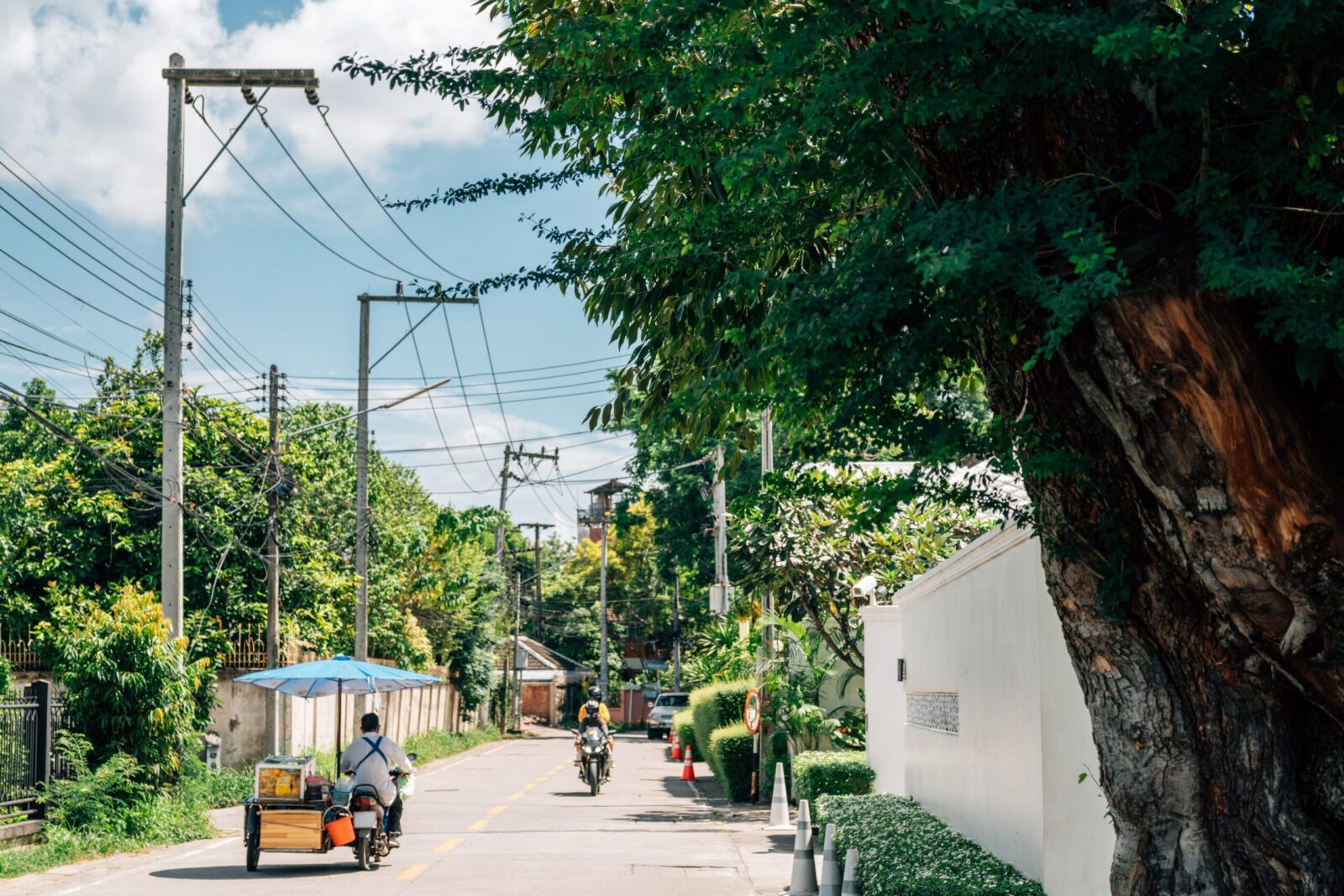
Chiang Mai
Consistently rated as one of the safest cities in Thailand, offering a relaxed lifestyle, low crime rates and excellent healthcare.

Hua Hin
A popular choice for retirees, Hua Hin is regarded as one of the safest places to live in Thailand, with a slower pace of life and a large British expat community.

Phuket & Pattaya
While popular, these coastal hubs attract tourism, so UK expats should take extra care with petty theft and nightlife-related risks.
Climate & Environmental Risks
When considering is Thailand safe to live, UK expatriates must also account for environmental factors.
- Rainy season floods: Flash flooding can occur from May to October in some regions.
- Heatwaves: Prolonged periods of extreme heat can be a risk, particularly for older expats in Thailand.
- Air quality: Northern regions, including Chiang Mai, experience seasonal haze, which can affect respiratory health.
Government Travel Advice
The UK Foreign, Commonwealth & Development Office (FCDO) regularly issues updated travel and safety advice. Before relocating, UK nationals should review the official UK government travel advice for Thailand to stay informed about any emerging issues.
Cost of Living in Thailand for UK Expats
Understanding the Thailand cost of living is essential for relocation planning. Compared to the UK, expenses are significantly lower, making Thailand attractive to retirees, families and professionals. The overall cost of living in Thailand for UK expats is around 40–60% cheaper than in Britain.
So, how much does it cost to live in Thailand? On average, UK nationals can expect monthly expenses between £800–£1,500, depending on location and lifestyle. Housing, food and healthcare form the bulk of spending.
Housing
Accommodation is affordable. A modern one-bedroom apartment in Bangkok may cost £400–£600 per month, while in smaller cities like Chiang Mai it can drop to £250. Luxury condos or villas in Phuket will cost more, but still below UK averages.
Daily Living
Groceries and dining are inexpensive. Fresh produce and local meals cost a fraction of UK prices. Western products are available but more expensive. Utilities, internet and public transport are also affordable, contributing to the overall low Thailand living cost.
Healthcare
Private healthcare is world-class and relatively cheap compared to the UK. A GP consultation averages £25–£35, while health insurance premiums vary depending on age and coverage.
Lifestyle & Extras
Entertainment, fitness and travel are budget-friendly. Many British expats enjoy regular weekend trips to the islands without breaking the bank.
So, how much do you need to live in Thailand comfortably? For most UK expats, £1,200 per month provides a comfortable middle-class lifestyle. Retirees with pensions often find they live better in Thailand than back home.
Cost of Living: UK vs Thailand
| Expense Category | Thailand (฿) | UK (£) | Notes |
|---|---|---|---|
| Rent – 1 bed city centre | ฿20,000 | £1,200 | Bangkok lower, London higher |
| Utilities (monthly) | ฿3,000 | £180 | Thailand much cheaper |
| Groceries (monthly) | ฿12,000 | £300 | Fresh produce cheaper |
| Public Transport (pass) | ฿1,200 | £90 | Thailand far cheaper |
| Dining Out (meal for 2) | ฿800 | £60 | Dining out very affordable |
| Healthcare (private insurance) | ฿6,000 | £250 | Private cover affordable |
| Average Salary (net) | ฿35,000 | £2,600 | Much higher in UK |
To compare real prices, explore Numbeo cost of living in Thailand.
Healthcare in Thailand for UK Expats
The quality of healthcare in Thailand is a major draw for UK expats. The standard of Thailand healthcare for UK citizens is among the best in Asia, especially in Bangkok and Phuket. Chiang Mai and other hubs also boast international-standard hospitals, many with English-speaking doctors. Costs are far lower than private treatment in the UK, making healthcare both accessible and affordable.
However, public healthcare may not meet the expectations of all British expats. That’s why comprehensive health insurance in Thailand is strongly recommended. A good policy ensures fast treatment, access to private hospitals and financial protection in case of emergencies.
When evaluating Thailand medical insurance, factors such as age, pre-existing conditions and coverage level affect premiums. Many expats choose international providers offering global coverage, which provides added peace of mind when travelling.
Our insurance for UK expats page provides tailored solutions, from basic medical policies to comprehensive health and life insurance packages. Choosing the right medical insurance in Thailand is not only about cost but also about ensuring your family’s long-term security.
For NHS guidance, see the UK NHS overseas healthcare advice. This outlines what services UK citizens may still be entitled to when living abroad.
Schools in Thailand for UK Families
For families, selecting the right schools in Thailand is central to a smooth relocation. Public schools provide education in Thai and are low-cost, but most UK expats prefer private or international schools in Thailand to ensure continuity and quality.
Schooling in Thailand varies widely. International schools in Bangkok, Chiang Mai and Phuket offer British, American and International Baccalaureate (IB) curricula. These institutions provide English-language teaching, extracurricular activities and globally recognised qualifications. Fees range from £5,000 to £15,000 per year, depending on the school.
Many British expats choose international schools for consistency in their children’s education. These schools also foster multicultural environments, helping children integrate smoothly while maintaining familiar academic standards.
For an overview of options, visit the international schools database Thialand.
Best Places to Live in Thailand for UK Expats
Choosing the right location is one of the most important decisions for UK nationals moving abroad. When deciding the best places to live in Thailand for UK expats, Bangkok, Chiang Mai, and Phuket dominate the list. With so many options, knowing the best cities in Thailand can help you decide where to live in Thailand based on lifestyle, budget and goals.
Bangkok is often considered the best city to live in Thailand for professionals and younger expats. It’s a global hub with excellent infrastructure, international schools, hospitals and a vibrant nightlife. The cost of living is higher than in smaller cities, but it offers endless opportunities for work and leisure.
Chiang Mai appeals to those seeking a slower pace. Popular with digital nomads and retirees, it combines affordable housing, strong expat communities and cultural richness. Many rank it among the best places to live in Thailand for long-term comfort.
Phuket and Krabi are favourites for UK expats drawn to coastal living. These areas provide access to beaches, resorts and international schools, making them popular with families and retirees. The expat presence is strong, offering an instant community for newcomers.
Hua Hin is another contender for the best places to live in Thailand. Known for its relaxed vibe, good healthcare facilities and welcoming expat scene, it’s often chosen by retirees looking for a balance of comfort and affordability.
Other popular destinations include Pattaya, Samui and smaller provincial towns that offer unique lifestyles at lower costs. Each location has pros and cons — urban excitement, beach relaxation or cultural immersion.
Buying Property in Thailand for UK Expats
For UK nationals, investing in property in Thailand is both a lifestyle decision and a financial opportunity. From beachfront condos to city apartments, there’s a wide range of Thailand homes for sale — but understanding ownership rules is critical.
Can Foreigners Buy Property?
Foreigners cannot directly own land but can purchase condominiums outright, provided foreign ownership in the building does not exceed 49%. Yes, a UK citizen buying a house in Thailand must usually do so via leasehold or condo purchase. For houses, UK expats usually buy leasehold properties, set up Thai companies or explore long-term land leases. These options make property for sale in Thailand accessible to international buyers.
Types of Property Available
- Condos and Apartments: the most straightforward route, especially in Bangkok and Phuket.
- Villas and Houses: available through leasehold arrangements or Thai partner/company structures.
- Off-Plan Developments: attractive to investors, offering lower entry prices and strong rental potential.
For many British expats, an apartment in the city or a villa near the beach represents the perfect balance between lifestyle and investment. Overall, Thailand property for UK expats is highly attractive due to lower entry prices and strong rental demand.
How Much is a House in Thailand?
Prices vary widely depending on location. In Bangkok, condos start around £80,000, while beachfront villas in Phuket can exceed £400,000. In Chiang Mai, smaller houses can be found for under £100,000. So, how much is a house in Thailand? It depends on location, size and whether you choose leasehold or investment projects.
Financing Options
While many UK nationals buy outright, mortgages are available through specialist lenders. Our mortgages for UK expats guide explains financing structures, eligibility and loan-to-value ratios. Careful planning ensures affordability and compliance with Thai law.
Legal Considerations
Before committing to Thailand property to buy, legal due diligence is essential. Always check title deeds, zoning restrictions and ensure contracts are reviewed by an experienced lawyer. The Thailand Land Department is the authority overseeing registrations and should be referenced in every transaction.
Investment Potential
Buying house for sale Thailand or condos can be lucrative. Cities like Bangkok and Chiang Mai offer rental income from professionals and digital nomads, while coastal resorts attract tourists year-round. Many Thailand homes for sale in off-plan projects include guaranteed rental yields for early investors.
For UK expats, property not only provides a home but also supports visa applications such as long-term residence or retirement options. Our property for UK expats service ensures your investment is secure, tax-efficient and tailored to your needs.
Before selling UK property or transferring pensions, align your decisions with a coordinated exit plan.
Book My Free 15-Minute Exit Strategy Call.
Limited private strategy slots available each week.
Trusted by UK nationals globally.
Prefer to speak directly? Tel: +44 208 058 8937.
Email: connect@adviceforexpats.com.
Taxes in Thailand: Essential Guide for UK Expats
Understanding taxes in Thailand for UK expats is one of the most important steps for UK nationals planning relocation. Whether you are retiring, working or investing, being aware of the Thai tax system will help you avoid surprises and optimise your financial position. This section explains the key aspects of Thailand tax, including income, capital gains and inheritance obligations, so UK expats can plan with confidence.
UK vs Thailand Tax Comparison
The table below compares key taxes in the UK and Thailand, helping UK nationals quickly understand how the Thai tax system differs and where meaningful tax advantages may arise.
UK vs Thailand: Tax Comparison for UK Expats
| Category | UK | Thailand | Notes |
|---|---|---|---|
| Income Tax | 20%–45% progressive | 5%–35% progressive | Lower top rate |
| Capital Gains Tax | 10%–28% | Treated as income | No separate CGT |
| Dividend Tax | 8.75%–39.35% | 10% withholding | Often final tax |
| Wealth Tax | None | None | No wealth tax |
| Inheritance Tax | 0–40% | 5%–10% over THB 100m | Large estates only |
| VAT / GST | 20% | 7% | Much lower rate |
| Corporate Tax | 25% | 20% | Lower than UK |
Tip for UK Expats: Want to estimate your tax liability before moving? Try our thailand expat tax calculator to compare UK vs Thailand taxes instantly.
Income Tax in Thailand
Income tax in Thailand applies to both residents and non-residents. A fiscal resident is anyone spending more than 180 days in the country during a tax year. Residents are taxed on global income, while non-residents are taxed only on income earned in Thailand. Rates are progressive, ranging from 5% to 35%, depending on your income level.
UK expats often benefit from tax allowances and tax deductions, such as personal expenses and dependent claims. It’s essential to understand how these affect your tax liability, particularly if you draw pensions or receive, either, rental income or employment income while in Thailand.
Capital Gains Tax in Thailand
Technically, there is no standalone capital gains tax in Thailand. Instead, capital gains are treated as part of your personal income and taxed at the standard progressive rates. This is particularly relevant for UK citizens selling Thai shares or property. Investors should pay close attention to how these rules intersect with UK tax obligations, especially where double taxation treaties apply.
Inheritance Tax in Thailand
Since 2016, an inheritance tax in Thailand has been in place, affecting assets over 100 million THB. Heirs pay 5% if they are direct descendants and 10% if not. This is especially important for British expats passing on Thai assets to children or family members. Estate planning and cross-border advice are essential to minimise exposure and ensure smooth transfers of wealth.
Thailand Taxes vs. UK Obligations
UK nationals must also consider how Thailand taxes interact with UK rules. The UK–Thailand Double Taxation Agreement is designed to prevent being taxed twice on the same income. Correctly applying this treaty can result in substantial tax savings, particularly for pensions and investment returns.
You can learn more in our dedicated tax planning for UK expats guide, which covers tax strategies to minimise tax liabilities and protect wealth while living abroad.
Official Resources
For the most up-to-date information, consult the official Thai Revenue Department, which outlines personal income rates, filing requirements and treaty benefits.
Planning to relocate within the next 12 months?
Structure your UK tax and pension position before committing to residency abroad.
Tel: +44 208 058 8937 or Email: connect@adviceforexpats.com.
Retirement in Thailand for UK Nationals
For many British nationals, the dream of retirement in Thailand is driven by warm weather, affordable living and a welcoming expat community. One of the biggest advantages of retiring to Thailand from UK is stretching pensions much further thanks to lower costs. Thailand consistently ranks as one of the best destinations for UK retirees, thanks to its combination of lifestyle and financial advantages.
Why Retire in Thailand?
The decision to retire in Thailand is becoming increasingly popular among UK citizens. Low living costs, excellent healthcare and high-quality housing options make Thailand a logical choice for stretching pensions further. Whether you prefer bustling Bangkok, coastal Phuket or Chiang Mai’s relaxed pace, the country offers retirement options to suit every lifestyle.
Visa Options for Retiring in Thailand
UK nationals have access to specific visas designed for retirees:
- The Thai Retirement Visa (Non-Immigrant O or OA) allows long-term residence for those over 50 with sufficient savings or pension income.
- Some retirees choose to combine property investment with visa pathways, strengthening their position for long-term settlement.
If you are planning to retire to Thailand from UK, careful preparation of financial documents and health insurance is required to secure approval.
Financial Considerations for Retiring in Thailand
Planning finances is crucial when retiring in Thailand. Although everyday costs are lower than in the UK, UK expats must consider healthcare insurance, property rental or purchase, and the impact of exchange rates on pensions. Structured advice on pensions, investments and wealth transfers can make retirement not just comfortable, but financially secure.
Explore our international pensions for UK expats page for tailored advice on pension transfers, QROPS and tax-efficient international pension plans.
Lifestyle for Retired Expats
Life after retiring to Thailand from UK offers incredible opportunities. Expats often enjoy affordable domestic help, a thriving social scene and access to world-class healthcare facilities. With communities of retirees spread across the country, integration is straightforward and social life remains vibrant.
Trusted Guidance
Before relocating, it’s wise to explore trusted resources such as Unbiased: retiring in Thailand, which provides practical guidance on pensions and retirement planning.
Wealth Management in Thailand for UK Expats
For many UK expatriates, successful relocation depends on more than lifestyle choices—it requires a strong financial strategy. Moving financial assets including pensions and investments across borders is complex, and the right expat financial advice is essential to protect wealth and optimise returns.
Why Wealth Management in Thailand Matters
Living as an expat to Thailand brings opportunities but also unique financial challenges. Currency fluctuations, unfamiliar tax regimes and offshore investments can impact long-term stability if not managed carefully. Professional wealth management in Thailand ensures your portfolio is diversified, tax-efficient and aligned with your global financial goals.
Services for UK Expatriates
Our financial planning services for UK nationals cover:
- Pension transfers and QROPS planning for retirees.
- Investment structuring through tax-efficient vehicles.
- Estate and inheritance tax planning across jurisdictions.
- Cross-border wealth management to protect assets in both the UK and Thailand.
For detailed information on structured wealth planning strategies, visit our wealth management for UK expats page.
UK expats also frequently explore Offshore Investment Bonds, which provide tax-deferred growth and flexible withdrawal options while living abroad. These bonds can be a cornerstone of a globally mobile financial plan.
Tailored Expat Financial Advice
Every expat’s journey is different. Whether you are working, retiring or investing in property, your financial plan must adapt to both Thai and UK regulations. Our advisory team specialises in relationship-driven support for UK expatriates, ensuring that every decision is informed, proactive and structured to secure your future.
Currency Exchange & Money Transfers for UK Expats in Thailand
Efficient currency exchange is vital for UK expats relocating to Thailand. Whether paying rent, transferring pensions or investing in property, minimising fees and securing the best pound to baht rate can save thousands each year.
Money Exchange in Thailand
While money exchange in Thailand is widely available, rates vary significantly between banks, exchange rate offices and online platforms. UK nationals transferring large sums benefit most from working with a trusted forex broker, who can lock in competitive rates and protect against currency volatility.
Secure and Cost-Effective Transfers
Small variations in exchange rates can make a huge difference when moving pensions, term deposits or long-term savings. Specialist brokers offer forward contracts, regular payment plans and same-day transfers—all designed to maximise value for expats.
Learn more in our dedicated currency exchange for UK expats.
Why Choose Advice for Expats for Moving to Thailand
Relocating abroad is one of the most important decisions a UK national can make and choosing the right partner is essential. We specialise exclusively in helping UK expatriates move and settle abroad with complete confidence.
At Advice for Expats, we confidently provide:
Expert financial advice tailored specifically for UK nationals relocating to Thailand.
Comprehensive relocation support throughout your Thai residency process, including property acquisition in Thailand.
End-to-end relocation services covering visas, property, tax, pensions, insurance and wealth management.
Seamless transitions facilitated by our in-depth knowledge of regulations in both the UK and Thailand.
A strong professional network in Thailand for coordinated, high-quality service delivery.
FAQs: Moving to Thailand from UK
Here are answers to some of the most common questions asked by UK nationals planning a move to Thailand:
Yes. UK citizens can enter Thailand for short stays under visa-free rules, but living in Thailand long term requires an appropriate long-stay visa such as a retirement visa, LTR visa or another approved long-term route.
Tax depends on your Thai tax residency and income sources. If you become tax resident, Thailand may tax foreign-sourced income under its rules, and UK tax exposure can still apply depending on UK residency and treaty treatment.
UK expats can buy condominiums within the foreign ownership quota, but foreigners generally cannot own land directly. Houses are usually structured via leasehold or other legal arrangements, so independent legal due diligence is essential.
Yes, but you need a long-term immigration route. UK nationals typically use retirement visas (over 50), the LTR visa, or long-term residence programmes. Permanent residency exists but requires years of compliant stay and meeting income and reporting requirements.
Banks often add hidden FX costs through poor exchange rates and fees. Many expats use specialist FX services, staged transfers or forward contracts to reduce losses—especially when funding property purchases, rent or pension income into THB.
Common routes include the Thai Retirement Visa (Non-Immigrant O/O-A/O-X), the Long-Term Resident (LTR) visa for eligible categories and long-term permission via Thailand Elite/Privilege-style membership programmes where applicable.
Retirement visas are rule-based and typically require applicants to be over 50 and demonstrate financial stability, often via funds held in a Thai bank and/or minimum monthly income. Exact thresholds and documentation requirements must be met for approval and renewal.
The LTR visa is designed for wealthy retirees, investors, highly skilled professionals and work-from-Thailand applicants. It can offer longer validity and simplified work permission, but eligibility is evidence-heavy and requires meeting income/asset thresholds.
Yes. Thailand is usually significantly cheaper than the UK for rent, food, transport and private healthcare, although costs vary by location. Bangkok and Phuket are more expensive than smaller cities, but most UK expats still find their money goes further.
Generally yes. Violent crime is rare, but scams and petty theft can occur, especially in tourist-heavy areas. Most UK expats live safely in established locations such as Bangkok, Chiang Mai and Hua Hin by taking basic precautions.
Tax residency is generally triggered by spending more than 180 days in Thailand in a tax year. Once resident, foreign income and pension planning becomes more important, especially to avoid double taxation and unexpected reporting obligations.
People Also Ask: Moving to Thailand from UK
Yes, but you need a long-stay immigration route such as a retirement visa (over 50), LTR visa or other approved long-term permission. Permanent residency is possible later, but only after years of compliant residence and meeting formal requirements.
No, Thailand is generally much cheaper than the UK for rent, food, transport and healthcare. Bangkok, Phuket and international-school areas cost more, but most UK expats still find monthly living costs significantly lower than the UK.
Popular choices include Bangkok for work and infrastructure, Chiang Mai for affordability and lifestyle, Phuket for coastal living, and Hua Hin for UK retirees. The best choice depends on healthcare access, budget, heat tolerance and expat community support.
Possibly. UK tax depends on whether you remain UK tax resident under the UK Statutory Residence Test. Even if Thailand becomes home, UK-sourced income and certain assets may still create UK tax obligations without careful planning.
Yes. British citizens can access both public and private healthcare, but most UK expats use private hospitals for quality and speed. Private health insurance is strongly recommended, especially outside Bangkok and major expat hubs.
UK expats generally cannot own land directly, so houses are usually structured via leasehold or other legal arrangements. Condos can be owned within foreign ownership quotas. Legal due diligence is essential before committing funds.
For long-term living, UK nationals need a long-stay visa such as a retirement visa, LTR visa or another approved long-term route. Tourist or visa-free entry is not designed for permanent living and can trigger enforcement issues.
Yes, in most areas. Thailand is generally safe for UK expats, but petty theft and scams can occur, particularly in tourist zones. Normal precautions and choosing established UK expat areas usually reduce risk significantly.
Start Your Move to Thailand from UK Today
Relocating to Thailand is more than a lifestyle choice — it’s a financial decision that affects your pensions, taxes, property and long-term wealth. For UK expatriates, securing a strong financial plan is essential to make your move sustainable and stress-free.
Our expertise spans all areas of expat financial support:
- Property: Advice on buying, investing or renting in Thailand.
- Pensions: Transferring, consolidating and managing retirement income for UK expats abroad.
- Tax Planning: Optimising tax obligations under both UK and Thailand tax regimes.
- Wealth Management Services: Protecting and growing wealth through global investment strategies.
For British nationals moving to Thailand from UK, taking control of your finances early ensures your new life abroad is secure, efficient, and rewarding.
Relocating abroad is irreversible once executed.
Protect your wealth, pensions and tax position before you go.
Tel: +44 208 058 8937 or Email: connect@adviceforexpats.com.