Introduction
Wondering which international schools in Greece offer the best education for your children before relocating from the UK? Choosing the right school is one of the most important decisions you will make before relocating. It influences where you live, your daily commute, your family’s budget and, above all, your children’s education and future opportunities.
Greece offers an excellent choice of British, IB, American and international schools, particularly in Athens. Yet selecting the right one is rarely straightforward. Curriculum, admissions policies, tuition fees, accreditation, commuting times and long-term university pathways all need careful consideration before making a commitment.
This guide brings everything together in one place. It compares the leading international schools in Athens and across Greece, explains how the education system works, reviews the latest published fees and admissions requirements, and helps you understand which schools may best suit your family’s plans before moving to Greece from UK.
Article Summary
Choosing the right international school is about much more than cost. Curriculum, accreditation, admissions policies, waiting lists, language of instruction and proximity to your future home all play an important role.
You will discover how education in Greece is structured, compare the country’s leading international schools, understand the main curriculum options and see the latest published tuition fees. You will also learn which schools are likely to suit different family circumstances, helping you shortlist your preferred options before making wider relocation decisions.
Key Takeaways
Before selecting one of the international schools in Greece, consider the following:
- Greece offers an excellent choice of British, IB, American and international schools, particularly in Athens.
- International schools in Athens provide the widest range of curricula and internationally recognised qualifications.
- Latest published annual tuition fees generally range from approximately €7,000 to more than €16,000, excluding registration fees and optional extras.
- Always verify accreditation through organisations such as COBIS, IB, CIS, BSO or MSA, where applicable.
- Many leading schools operate waiting lists, making early applications highly advisable.
- Most schools in Greece for foreigners teach primarily in English while also offering Greek and additional foreign languages.
- Choose your preferred school before deciding where to buy or rent a home.
- Select a curriculum that aligns with your child’s future university ambitions and your family’s long-term relocation plans.
- Integrating education planning with residency, healthcare and property decisions can significantly improve your family’s relocation experience.
International Schools in Greece at a Glance
Athens is the centre of international education in Greece, offering the country’s widest selection of British, IB and American schools. Outside the capital, international school options become progressively fewer, making early planning increasingly important.
Curriculum, accreditation, university pathways, class sizes, language of instruction, commuting times and admissions availability will usually have a greater influence on your child’s educational experience and future opportunities.
The comparison below summarises the latest published tuition fees, curricula and accreditation of many of Greece’s leading international schools, providing an excellent starting point for building your shortlist.
International Schools in Greece at a Glance
| School | Location | Ages | Curriculum | Latest Published Annual Tuition* | Accreditation / Status |
| ACS Athens | Halandri, Athens | 3–18 | American, AP, IB Diploma | €9,050–€16,348 (2026/27) | MSA, IB, College Board |
| Byron College | Pallini, Athens | 4–18 | British, IGCSE, A Levels | €8,580–€14,300 (2026/27) | BSO, COBIS |
| Campion School | Pallini, Athens | 3–18 | British, IGCSE, IB Diploma | €9,200–€15,650 (2026/27) | IB, COBIS, Greek Ministry Licensed |
| St Catherine’s British School | Lykovrissi & Kifissia | 3–18 | British, IGCSE, IB Diploma | €9,710–€16,500 (2025/26) | BSO, IB, COBIS |
| St Lawrence College | Koropi, Athens | 3–18 | British, IGCSE, AS & A Levels | €9,369–€15,204 (2026/27) | COBIS, Cambridge & Pearson |
| Verita International School | Glyfada & Alimos | 2.5–18 | British, IEYC, IPC, IMYC, IGCSE, A Levels | €7,480–€12,320 (2026/27) | Accreditation should be confirmed directly with the school |
| International School of Athens | Kifissia | 2.5–18 | IB PYP, MYP & Diploma | Latest published fees available from the school | Full IB Continuum School |
| Pinewood American International School | Thessaloniki | 4–18 | American, AP, IB PYP, MYP & Diploma | Latest published fees available from the school | MSA, IB, College Board |
Fees, registration charges and optional costs are reviewed annually by each school. Always confirm the latest published tuition schedule directly with the school’s admissions office before applying.
For many UK nationals moving to Greece, Athens remains the strongest destination because it combines the country’s largest selection of international schools, excellent healthcare, modern transport infrastructure, established UK expatriate communities and a broad choice of family-friendly neighbourhoods. Families seeking a different pace of life should also consider Pinewood American International School in Thessaloniki, which offers internationally recognised qualifications alongside one of northern Greece’s most respected international education environments.
Plan Your Move Before Choosing a School
Choosing a school is only one part of relocating to Greece. Before making important decisions, ensure your education, property, residency and financial plans all work together.
Book Your Greece Relocation Strategy Consultation
Limited private strategy slots available each week.
Trusted by UK nationals globally.
Prefer to speak directly? Tel: +44 208 058 8937.
Email: connect@adviceforexpats.com.
How Education and Schooling Work in Greece H2
Choosing the right school starts with understanding how education in Greece is organised. Parents generally have three education options: public schools, Greek private schools and international schools. Each follows a different curriculum, teaches in different languages and is designed for different educational objectives. Rather than asking which system is “best”, consider which one best matches your child’s current education, future university aspirations and how long you expect to remain in Greece.
How the Greek Education System Works
The Greek education system is overseen by the Ministry of Education, Religious Affairs and Sports. Compulsory schooling in Greece begins at the age of four with two years of compulsory pre-primary education, followed by six years of primary school, three years of lower secondary education and three years of upper secondary education. The Ministry also regulates school licensing and educational standards across both the public and private sectors.
For an independent overview of how education is organised, see the Eurydice profile of the Greek education system.
Public Schools in Greece
Public schools provide free education and are primarily taught in Greek. Foreign children can usually enrol, provided the relevant residency requirements are met. However, parents should carefully consider whether their child has sufficient Greek-language skills to integrate successfully into the classroom. For younger children relocating permanently, this can be an excellent way to become fluent in Greek and integrate into local life. Older pupils preparing for GCSEs, A Levels or university often find an international curriculum provides greater continuity.
Greek Private Schools
Greek private schools often offer smaller class sizes, modern facilities and additional extracurricular opportunities. However, they generally follow the national Greek curriculum and teach mainly in Greek. Before applying, confirm the language of instruction, examination pathway and qualifications offered. A private school is not automatically an international school, even if English is taught as part of the curriculum.
International Schools in Greece
Most international schools in Greece teach primarily in English and follow internationally recognised curricula such as the British, International Baccalaureate (IB) or American systems. They remain the preferred choice for many UK families because children can continue studying within a familiar education system while gaining qualifications recognised by universities around the world. Many schools also place considerable emphasis on pastoral care, sport, music and extracurricular activities, helping children settle more quickly into their new environment.
Can British and Foreign Children Enrol in Schools in Greece?
Yes. British and other foreign children can generally enrol in both public and international schools, subject to each school’s admissions requirements and availability. Most international schools request passports, previous school reports, completed application forms and, depending on the child’s age, entrance assessments or interviews before confirming an offer of admission.
British, IB, American and European Curricula Explained
Choosing the right curriculum is just as important as choosing the right school. It will shape how your child is taught, how their progress is assessed and which qualifications they achieve before applying to university. Rather than asking which curriculum is “best”, focus on which one best supports your child’s ambitions and your family’s longer-term plans.
British Curriculum: English National Curriculum, IGCSE and A Levels
Many of the leading British schools in Greece follow the English National Curriculum before preparing pupils for Cambridge or Pearson IGCSEs and AS and A Levels. For children already studying in the UK, this usually provides the smoothest transition because the curriculum, teaching style and qualifications remain familiar. It also offers one of the clearest routes into British universities. If there is a realistic possibility that your family will return to Britain, the British curriculum is often the least disruptive option, allowing children to move between schools with minimal academic interruption.
International Baccalaureate (IB): PYP, MYP and Diploma Programme
Several of the leading international schools in Athens offer one or more International Baccalaureate programmes, including the Primary Years Programme (PYP), Middle Years Programme (MYP) and Diploma Programme (DP). The curriculum places strong emphasis on enquiry-based learning, independent research, critical thinking and international awareness rather than purely examination performance. If your career is likely to involve future international moves, the IB can make transferring between countries considerably easier because the programme is taught in thousands of schools worldwide.
American Curriculum: High School Diploma and Advanced Placement (AP)
American international schools generally lead to a High School Diploma and may also offer Advanced Placement (AP) courses, allowing students to study university-level subjects while still at school. This pathway is particularly attractive for families considering higher education in the United States, although the qualifications are also recognised by many universities in the UK and elsewhere.
French and German International Curricula
A small number of international schools in Greece offer French or German curricula, while others provide bilingual education combining the Greek curriculum with another European education system. These schools are generally most suitable for multilingual households, diplomatic families or parents expecting to relocate elsewhere in Europe, rather than those planning to return to the UK education system.
British vs IB vs American vs European Curricula
| Feature | British | International Baccalaureate | American | European |
| Main qualifications | IGCSE, AS & A Levels | PYP, MYP & IB Diploma | High School Diploma & AP | European Baccalaureate |
| Teaching approach | Structured and subject focused | Inquiry-led and internationally focused | Flexible and broad-based learning | Multilingual and academically broad |
| Best pathway to UK universities | Excellent | Excellent | Good | Good |
| International portability | Excellent | Excellent | Excellent | Strong within Europe |
| Best suited to | Families returning to Britain | Internationally mobile families | Families considering US universities | Multilingual European families |
| Typical assessment | Examinations and coursework | Coursework, projects and examinations | Continuous assessment and examinations | Coursework and final examinations |
Which Curriculum Is Best for British Families?
No curriculum is objectively better than another; the right choice depends entirely on your family’s circumstances. Children who may return to Britain often benefit from the continuity provided by the English National Curriculum, IGCSEs and A Levels, while internationally mobile families frequently favour the flexibility of the IB. Families targeting US universities may find the American pathway more suitable, whereas French and German curricula are typically chosen by multilingual European families already following those education systems.
Best International Schools in Athens
Athens offers the widest choice of international schools in Greece, making it the first location most UK families consider when planning their move. Whether your priority is a British curriculum, the International Baccalaureate (IB), an American education or another internationally recognised pathway, you’ll find far more options here than elsewhere in the country.
Every school has different strengths. Compare curriculum, pastoral care, admissions and university pathways—not simply reputation Shortlist schools that best suit your child’s educational needs and personality. Visiting campuses and speaking directly with admissions teams before making a decision is time well spent.
St Catherine’s British School
Founded in 1956, St Catherine’s British School is widely regarded as one of the leading British schools in Greece. Located across two campuses in Lykovrissi and Kifissia, it follows the English National Curriculum before progressing to IGCSE and the International Baccalaureate Diploma Programme.
As a member of COBIS and a British Schools Overseas (BSO) inspected school, St Catherine’s has built a long-standing reputation for strong academic results, excellent pastoral care and successful university placements. The latest publicly available tuition schedule (2025/26) ranges from approximately €9,710 to €16,500, excluding registration fees and optional services. Places are often in high demand, particularly in younger year groups, so early applications are strongly recommended.
For families who expect their children to continue their education in Britain at some stage, St Catherine’s offers one of the smoothest transitions available in Greece thanks to its familiar curriculum and recognised qualifications.
Campion School
Established in 1970, Campion School in Pallini has earned a strong reputation among international schools in Athens for combining British educational traditions with the International Baccalaureate Diploma Programme.
Pupils follow the English National Curriculum before progressing to IGCSEs and the IB Diploma Programme. Campion is authorised by the International Baccalaureate Organisation, is a COBIS member and is licensed by the Greek Ministry of Education.
Latest published 2026/27 tuition fees range from approximately €9,200 to €15,650, excluding additional registration charges and optional services. Campion is particularly attractive to families seeking a British education combined with the wider perspective of the IB.
Byron College
Located in Pallini, Byron College is one of the oldest British international schools in Athens, providing education for children from early years through to sixth form.
Following the English National Curriculum throughout the school, Byron prepares pupils for Cambridge IGCSE and A Level qualifications. Its British Schools Overseas (BSO) inspection status and COBIS membership provide additional reassurance for parents seeking recognised British educational standards overseas.
Latest published 2026/27 tuition fees range from approximately €8,580 to €14,300, with additional charges applying for registration, transport and certain optional services. Byron is often chosen by families looking for a traditional British school environment with smaller class sizes and a strong sense of community rather than a large international campus.
St Lawrence College
Situated in Koropi, close to Athens International Airport, St Lawrence College has provided English-language education for more than forty years. The school follows the English National Curriculum and prepares students for Cambridge IGCSE, AS and A Level qualifications.
Latest published 2026/27 tuition fees range from approximately €9,369 to €15,204, with additional registration and development charges payable by new pupils. Parents should also budget for optional services such as transport and extracurricular activities where applicable.
The school combines strong academic standards with an extensive programme of sport, music and performing arts. Its location makes it particularly convenient for families living in southern and eastern Athens or those requiring easy access to Athens International Airport.
ACS Athens
ACS Athens offers one of Greece’s most internationally diverse learning environments. Based in Halandri, it follows an American curriculum while also offering the International Baccalaureate Diploma Programme and Advanced Placement (AP) courses.
Accredited by the Middle States Association (MSA) and authorised to deliver the IB Diploma Programme, ACS educates pupils from more than sixty nationalities.
Latest published 2026/27 tuition fees range from approximately €9,050 to €16,348. It is particularly popular with families considering higher education in the United States because of its American curriculum, AP courses and university counselling.
International School of Athens
Located in Kifissia, the International School of Athens (ISA) delivers the full International Baccalaureate Continuum, including the Primary Years Programme (PYP), Middle Years Programme (MYP) and Diploma Programme (DP).
The school’s enquiry-led approach places particular emphasis on independent learning, critical thinking and international-mindedness, making it a strong choice for children who may study or work in different countries during their lives.
Tuition fees are published annually and vary by age group, with additional charges applying for certain optional services. Because availability can become limited in popular year groups, parents are advised to contact the admissions team as early as possible.
ISA is particularly well suited to families seeking a complete International Baccalaureate education from early years through to the Diploma Programme without changing schools.
Which Athens School Is Right for Your Family?
No single school suits every family. The best choice depends on your child’s age, learning style, preferred curriculum, likely university destination, your family’s budget and where you plan to live.
Where possible, visit your shortlisted schools, speak with admissions teams and compare the total annual cost before making a final decision. Careful planning before relocating can make your family’s transition considerably smoother.
Best International Schools Across Greece
Although international schools in Athens provide the greatest choice, families relocating elsewhere in Greece can still access high-quality international education. Outside the capital, however, the number of schools offering internationally recognised curricula becomes more limited, meaning school availability should be considered before deciding where to live.
Pinewood American International School, Thessaloniki
Located just outside Thessaloniki, Pinewood American International School is widely regarded as the leading international school in northern Greece. Established in 1950, it follows an American curriculum while also offering the International Baccalaureate Primary Years Programme (PYP), Middle Years Programme (MYP) and Diploma Programme (DP), together with Advanced Placement (AP) opportunities.
Accredited by the Middle States Association (MSA) and authorised to deliver the International Baccalaureate, Pinewood has developed a strong reputation for academic achievement and university preparation across Europe and North America.
Latest published 2026/27 tuition fees range from approximately €6,990 to €14,300, with separate registration charges and optional services applying.
For families relocating to Thessaloniki or northern Greece, Pinewood offers one of the strongest alternatives to Athens without compromising on curriculum choice or university progression opportunities.
French, German and Bilingual Schools
Alongside British, American and IB schools, Athens also has several French, German and bilingual schools following their respective national curricula or a combination of Greek and European educational programmes.
They are particularly popular with diplomatic families and pupils already studying within French or German education systems who want to continue without changing curriculum.
For most UK families, however, British or IB schools generally provide a smoother educational pathway if there is any possibility of returning to Britain or applying to UK universities in the future.
School Choice Becomes More Limited Outside Athens
Outside Athens and Thessaloniki, international education options become much more limited.
Although destinations such as Crete, Rhodes, Corfu and the Peloponnese have a number of private and bilingual schools, relatively few offer a complete British, IB or American curriculum through to secondary education.
For many families, school choice should influence where they live—not the other way around.
A beautiful coastal location may seem attractive initially, but limited schooling options could eventually require long daily commutes or an unexpected move later.
Choosing your preferred school before buying or renting a property can help avoid unnecessary disruption and provide greater long-term stability for the whole family.
Families deciding where to settle should also weigh the pros and cons of living in Greece, including education alongside healthcare, safety, affordability, climate, employment and the practical differences between Athens, the islands and mainland Greece.
International School Fees in Greece (2026/27)
For many families relocating from the UK, international school fees represent one of the largest ongoing household expenses after accommodation. Published tuition fees tell only part of the story. Registration fees, transport, meals, technology, school trips and examination charges can increase the overall cost significantly. Before accepting a place, request a complete fee schedule so you can budget accurately and avoid unexpected costs.
How Much Do International Schools in Greece Cost?
School fees vary according to the curriculum, age of the child and individual school’s fee structure. Based on the latest published fee schedules, annual tuition generally ranges from approximately €7,000 to more than €16,000 per child. Senior year groups generally attract the highest fees because of examination preparation and specialist teaching. When comparing schools, always include registration fees, transport and other compulsory charges—not just tuition.
Before comparing fees, many families also review Greece cost of living data to understand the wider cost of relocating.
International School Fees in Greece (Latest Published Schedules)
International School Fees in Greece
| School | Published Tuition / Fees | Application or Registration Charges | Typical Additional Costs |
| ACS Athens | €9,050–€16,348 (2026/27) | Application €100; Registration €221–€963 | Transport, meals, activities and some examinations |
| Byron College | €8,580–€14,300 (2026/27) | Assessment €150 (where applicable); Registration €1,000–€1,700 | Transport, meals, uniforms and examination fees |
| Campion School | €9,200–€15,650 (2026/27) | Application €100; Registration €1,750 | Bus service, music tuition, English language support |
| St Catherine’s British School* | €9,710–€16,500 (2025/26) | Application €150; Registration €1,000 | Development contribution, transport and meals |
| St Lawrence College | €9,369–€15,204 (2026/27) | Registration €1,500 | Development fund, music tuition and examination charges |
| Verita International School | €7,480–€12,320 (2026/27) | Registration fee applicable | Meals, transport, school trips and extracurricular activities |
| International School of Athens | Latest published fees available directly from the school | Registration fee applicable | Transport, IB examinations and optional activities |
| Pinewood American International School | €6,990–€14,300 (2026/27) | Application fee applicable | Registration, meals, transport and activities |
Latest publicly verified published fee schedule.
Education Costs Increase as Children Progress Through School
In most international schools, tuition fees increase as children progress through the education system. Early Years programmes are typically the most affordable, while senior secondary education attracts higher fees because of specialist teaching, examination preparation and a broader range of subject options.
| Age Group | Typical Annual Tuition |
| Early Years | €7,000–€10,000 |
| Primary School | €8,500–€13,000 |
| Secondary School | €10,000–€16,500+ |
These figures are intended as planning estimates based on the latest published fee schedules. Individual schools may charge more or less depending on year group, curriculum and optional services.
What Is Usually Included — and What Isn’t?
One of the most common mistakes parents make is assuming that published tuition fees represent the total annual cost of education. In practice, many schools apply additional charges throughout the academic year. These may include registration fees, school transport, lunches, uniforms, textbooks, laptops or tablets, examination fees, educational visits and extracurricular activities.
Before accepting a place, ask the admissions team for a complete breakdown of compulsory and optional charges. Comparing the total annual cost—not simply tuition fees—will help you budget more accurately and reduce the risk of unexpected expenses after your child has started school.
Planning Your Family’s Education Budget
Education is only one part of your overall relocation budget. Before deciding what you can comfortably afford, compare school fees with wider living expenses using our guide to the Cost of Living in Greece.
Housing, healthcare, transport and everyday living expenses should all be considered alongside school fees before making long-term financial commitments.
If you have more than one child, ask whether sibling discounts apply, as these can reduce annual education costs significantly.
Calculating the full cost before relocating will help you choose a school that fits comfortably within your family’s overall budget and avoid unnecessary financial pressure after you arrive in Greece.
Understand the Full Cost Before You Relocate
Choosing the right school is important, but it is only one part of a successful move to Greece. Before committing to a relocation, ensure your education, housing, healthcare and financial planning work together to avoid expensive mistakes later.
Book Your Greece Relocation Strategy Consultation
Limited private strategy slots available each week.
Trusted by UK nationals globally.
Prefer to speak directly? Tel: +44 208 058 8937.
Email: connect@adviceforexpats.com.
Accreditation and Academic Standards
Outstanding facilities and impressive campuses do not automatically guarantee a high-quality education. Independent accreditation demonstrates that a school has been assessed against recognised standards covering teaching, governance, safeguarding and academic quality. Before accepting a place, always verify both the school’s current accreditation and the qualifications it awards rather than relying solely on promotional material or league tables.
Why Accreditation Matters
International accreditation gives parents confidence that teaching standards, leadership and safeguarding have been independently evaluated. It also makes it easier for children to transfer between schools in different countries and helps ensure their qualifications are recognised by universities worldwide.
International Baccalaureate (IB)
The International Baccalaureate Organisation authorises schools to teach the Primary Years Programme (PYP), Middle Years Programme (MYP) and Diploma Programme (DP). For parents whose children may study or work in different countries, the IB offers one of the most internationally transferable education pathways available.
COBIS and British Schools Overseas (BSO)
Many of the leading British schools in Greece belong to the Council of British International Schools (COBIS), while others are inspected under the British Schools Overseas (BSO) framework. For UK parents, these organisations provide additional reassurance that schools are working towards recognised British educational standards and safeguarding practices.
Cambridge, Pearson and American Accreditation
Most British curriculum schools prepare pupils for Cambridge International or Pearson Edexcel qualifications, including IGCSEs and A Levels. Schools following the American curriculum may also hold accreditation from the Middle States Association (MSA) and offer Advanced Placement (AP) courses, providing recognised routes into universities in the United States and many other countries.
Greek Ministry Recognition
Every legally operating school in Greece must comply with the requirements of the Greek Ministry of Education, Religious Affairs and Sports, regardless of whether it follows the Greek or an international curriculum. This provides an additional layer of regulatory oversight alongside any international accreditation the school may hold.
How Parents Should Verify Academic Standards
Before accepting a place, ask the admissions team four simple questions: Which organisations currently accredit the school? Which qualifications will your child receive? Where do pupils typically progress after graduation? When was the school last inspected? The answers will usually provide a much clearer picture of academic quality than brochures or marketing material alone.
Admissions Requirements and Application Process
Applying to the leading international schools in Greece is usually straightforward, provided you begin the process early. Popular schools often receive more applications than available places, particularly for Early Years, Primary and International Baccalaureate programmes. Starting your search six to twelve months before relocating will give you the greatest choice and reduce the risk of waiting lists affecting your preferred school.
Typical Admissions Requirements
Although admissions procedures vary between schools, most request similar documentation before considering an application. Parents should normally prepare:
- Completed application form.
- Child’s passport and parent identification.
- Previous two or three school reports.
- Academic transcripts, where applicable.
- Teacher references.
- Passport photographs.
- Vaccination or medical records (where requested).
- English-language assessment, if appropriate.
- Application fee.
Some schools may also request learning support reports or educational assessments where additional support has previously been provided.
Assessments, Interviews and English Requirements
Many international schools in Athens assess pupils before offering a place. Younger children are often invited to attend classroom observations or informal play sessions, while older applicants may complete English and mathematics assessments together with an interview.
Children transferring from UK schools rarely experience difficulties with English-language requirements. However, pupils joining from non-English-speaking schools may be assessed to ensure they can access the curriculum or determine whether additional English-language support is required.
Waiting Lists, Deposits and Enrolment
Demand varies considerably between schools and year groups. Once an offer is accepted, parents are normally required to pay a registration fee or enrolment deposit to secure their child’s place. Because these payments are often non-refundable, avoid committing until you have finalised your relocation timetable and confirmed your preferred school.
Recommended Admissions Timeline
| Before Relocation | Recommended Action |
| 12 months | Research schools and compare curricula. |
| 10–11 months | Contact admissions offices and request prospectuses. |
| 8–9 months | Submit applications and supporting documents. |
| 6–7 months | Attend interviews and complete assessments. |
| 5–6 months | Accept offers and pay registration deposits. |
| 3–4 months | Arrange housing close to your chosen school. |
| 1–2 months | Finalise uniforms, transport and induction arrangements. |
Secure Your Relocation Before School Places Become Limited
School applications are only one part of a successful move. Coordinate your education, housing, residency and financial planning before committing to a relocation.
Book Your Greece Relocation Strategy Consultation
Limited private strategy slots available each week.
Trusted by UK nationals globally.
Prefer to speak directly? Tel: +44 208 058 8937.
Email: connect@adviceforexpats.com.
Where British Families Should Live Near Athens Schools
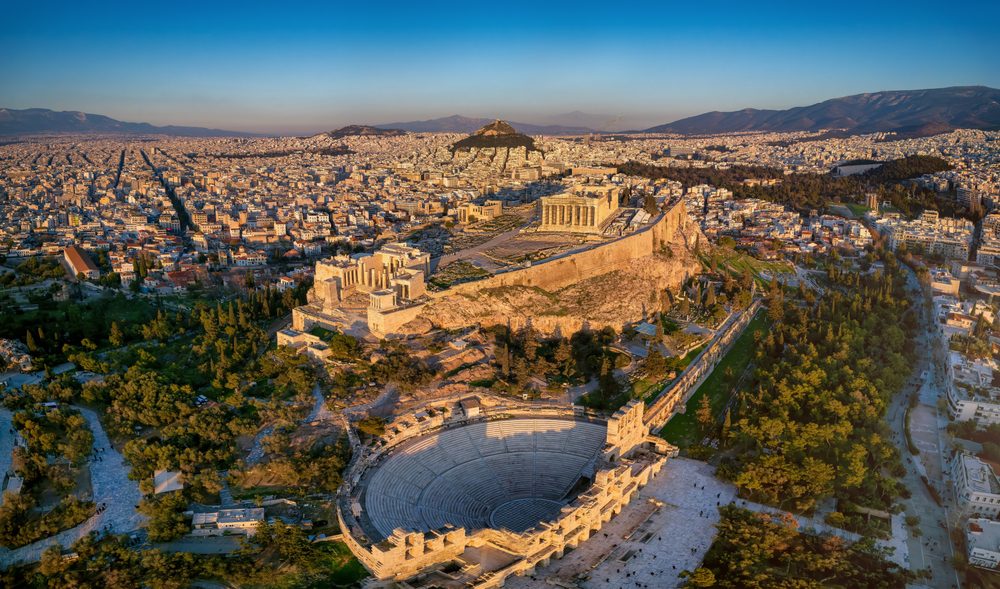
Where you choose to live can have just as much impact on family life as the school itself. If you have not yet decided where to settle, our guide to best areas to live in Athens compares Athens most popular locations for British expats, helping you shortlist areas before choosing a school.
Daily commuting times, access to healthcare, transport links, local amenities, neighbourhood safety in Athens and housing costs should all be considered before signing a tenancy agreement or purchasing a property. In many cases, selecting your preferred school first will make choosing the right neighbourhood considerably easier.
Northern Athens
Kifissia, Psychiko, Filothei, Marousi and Chalandri remain among the most popular locations for expatriate families. These neighbourhoods provide convenient access to several leading international schools in Athens, together with excellent healthcare facilities, shopping, parks and public transport.
Kifissia is particularly popular with executives and families seeking larger homes and a quieter residential environment, while Marousi and Chalandri offer a balance between accessibility, modern amenities and more varied housing options.
Eastern Athens
Families considering Campion School or Byron College often choose Pallini, while those with children attending St Lawrence College frequently look towards Koropi and neighbouring districts. These areas generally provide larger homes, easier parking and more straightforward journeys to school than many central Athens neighbourhoods.
Southern Athens and the Coast
Glyfada, Voula and Vouliagmeni are among the most desirable coastal suburbs for international families. Alongside attractive beaches and outdoor lifestyle opportunities, they offer excellent restaurants, sports facilities and modern healthcare. Although property prices are generally higher, many families consider the lifestyle benefits worth the additional cost.
Choosing the Right Area
Rather than selecting a neighbourhood first, shortlist your preferred schools before comparing local housing. Families planning to purchase a home should also read our guide to Buying Property in Greece, which explains the buying process, purchase costs and common mistakes before committing to a property.
A shorter daily journey can significantly improve family life, particularly for younger children.
Consider commuting times during peak traffic, access to school transport, nearby healthcare facilities and whether the area will continue to meet your family’s needs over the coming years.
Cost of Education for British Families
Tuition fees are only part of the overall cost of educating children at international schools in Greece. Families should prepare a realistic annual budget that includes compulsory and optional expenses before deciding which school offers the best long-term value.
Typical Annual Education Budget
| Expense | One Child | Two Children* |
| Tuition | €10,000–€16,500 | €20,000–€33,000 |
| Registration / Development Fees | €500–€2,000 | €1,000–€4,000 |
| Transport | €1,000–€2,500 | €2,000–€5,000 |
| Meals | €600–€1,500 | €1,200–€3,000 |
| Uniforms | €300–€800 | €600–€1,600 |
| Technology | €500–€1,500 | €1,000–€3,000 |
| Educational Trips | €300–€1,500 | €600–€3,000 |
| Examination Fees | €200–€1,000 | €400–€2,000 |
| Extracurricular Activities | €500–€2,000 | €1,000–€4,000 |
Some schools offer sibling discounts that may reduce overall tuition costs.
Budget Before You Commit
Many parents naturally focus on tuition fees when comparing schools. However, transport, examination fees, technology requirements and extracurricular activities can add several thousand euros each year. Before accepting an offer, request a complete fee schedule and prepare a realistic education budget covering every expected cost. Doing so will help ensure your chosen school remains affordable throughout your child’s education rather than only during the first year.
Choosing the Right School for Different Families
The “best” international school is not necessarily the one with the highest fees or the strongest academic reputation. The right choice depends on your family’s circumstances, your child’s personality and your longer-term plans. Selecting a curriculum that aligns with future education and career ambitions can make later transitions considerably easier.
Matching the Right School to Your Family
| Family Type | Most Suitable Education Pathway | Why It May Be the Best Fit |
| Executives relocating to Greece | British or IB curriculum | Strong academic standards, internationally recognised qualifications and easier international mobility. |
| Entrepreneurs and business owners | British or IB curriculum | Greater flexibility if business circumstances require future relocation. |
| Internationally mobile families | International Baccalaureate (IB) | Globally recognised curriculum that simplifies future school transfers. |
| Families expecting to return to Britain | British curriculum (IGCSE & A Levels) | Provides the smoothest transition back into the UK education system. |
| Families considering US universities | American curriculum with AP | Well-established pathway into American higher education. |
| Children requiring additional English-language support | Schools offering EAL programmes | Helps pupils integrate quickly while maintaining academic progress. |
| Children requiring additional learning support | Schools with dedicated learning support teams | Additional specialist support may improve both academic progress and wellbeing. |
Think Beyond Academic Results
Academic performance is only one factor when choosing a school. Class sizes, pastoral care, extracurricular opportunities, daily commuting times and the school’s ability to support your child’s individual learning needs are often just as important. Rather than focusing solely on rankings, consider how each school will support your child’s happiness, confidence and long-term development. Visiting shortlisted schools and speaking directly with admissions staff can provide valuable insights that are difficult to gain from websites or prospectuses alone.
Common Mistakes When Choosing Schools
Choosing the wrong school can affect far more than your child’s education. It may also influence where you live, your daily routine and your family’s overall experience of relocating to Greece. Fortunately, many common mistakes are easy to avoid with careful planning.
Five Mistakes to Avoid
- Applying too late. Leading international schools often have waiting lists, particularly for Early Years and Primary admissions.
- Assuming every international school is the same. Always compare curriculum, accreditation and university pathways rather than relying on reputation alone.
- Underestimating the total cost. Tuition is only one part of the annual education budget. Registration fees, transport, uniforms, technology and examinations can add substantially to overall costs.
- Ignoring daily commuting times. A long journey to school can quickly affect family life and your child’s wellbeing.
- Choosing the wrong curriculum. Always consider whether your child is likely to return to the UK, study internationally or attend university in another country before making a decision.
Planning ahead and comparing schools carefully will usually prevent these issues and make your family’s transition considerably smoother.
Final Verdict: Which Schools Stand Out?
Greece offers an excellent choice of international education, particularly in Athens, where British, IB and American curricula provide families with recognised pathways to universities around the world. Rather than searching for the single “best” school, focus on finding the school that best supports your child’s education and your family’s future plans.
Families expecting to return to the UK often favour schools following the English National Curriculum with IGCSEs and A Levels. Those anticipating future international relocations frequently choose the International Baccalaureate because of its global recognition and flexibility. Parents considering higher education in North America may find American curriculum schools particularly attractive.
Where possible, visit your shortlisted schools, compare the total cost of attendance and consider where you intend to live before making a final decision. Careful planning before relocating will usually produce better educational and lifestyle outcomes than making decisions after arrival.
Why Choose Advice for Expats?
Advice for Expats helps UK nationals planning Moving to Greece from the UK coordinate every aspect of their relocation.
While we do not recommend individual schools, we help families integrate education planning into their wider relocation strategy, ensuring that school selection, property, residency, healthcare and financial planning all work together.
Whether you are relocating as an executive, entrepreneur, retiree or internationally mobile family, our experienced advisers can help you plan your move with greater confidence, clarity and peace of mind before making long-term commitments.
FAQs: International schools in Greece
Below are answers to the questions British families ask most often about international schools in Greece.
What are the best international schools in Greece?
The best international schools in Greece depend on your child’s age, preferred curriculum and long-term plans. Leading options include St Catherine’s British School, Campion School, Byron College, ACS Athens, St Lawrence College, the International School of Athens and Pinewood American International School, each offering different strengths and internationally recognised qualifications.
How much do international schools in Greece cost?
International schools in Greece generally charge annual tuition ranging from approximately €7,000 to more than €16,000, depending on the school and year group. Parents should also budget for registration fees, transport, meals, uniforms, technology, examination fees and extracurricular activities when calculating the total annual cost of education.
Can British children attend international schools in Greece?
Yes. British children can attend international schools in Greece, provided they satisfy the school’s admissions requirements and places are available. Most schools request application forms, previous school reports, passports and, where appropriate, entrance assessments or interviews before offering admission
Which international schools in Athens follow the British curriculum?
Several leading international schools in Athens follow the English National Curriculum, including St Catherine’s British School, Byron College, Campion School and St Lawrence College. These schools prepare pupils for IGCSE and A Level qualifications, providing continuity for families returning to the UK.
Are IB schools in Athens better than British schools?
Neither option is universally better. IB schools in Athens often suit internationally mobile families because the International Baccalaureate is recognised worldwide. British curriculum schools generally provide a smoother transition for children who may later return to the UK or apply to British universities.
Do international schools in Greece teach in English?
Most international schools in Greece teach primarily in English, although many also provide Greek and additional foreign language tuition. Some schools offer English as an Additional Language (EAL) support for pupils joining from non-English-speaking education systems.
How early should I apply to international schools in Greece?
Parents should ideally begin contacting international schools in Greece between six and twelve months before relocating. Popular schools frequently operate waiting lists, particularly for Early Years and Primary admissions, making early applications advisable.
How do I verify whether an international school in Greece is accredited?
Before accepting a place, ask the school to confirm its current accreditation and qualifications. Many leading international schools in Greece hold recognition from organisations such as COBIS, BSO, the International Baccalaureate Organisation, Cambridge International, Pearson or the Middle States Association (MSA).
People Also Ask: International schools in Greece
These concise answers address some of the most common Google searches about education in Greece, schooling in Greece and international schools in Athens.
Is education in Greece good for British families?
Yes. Education in Greece offers excellent opportunities for British families, particularly through international schools that provide British, IB and American curricula recognised by universities worldwide.
How does schooling in Greece compare with the UK?
Schooling in Greece differs from the UK within the public system, where lessons are taught mainly in Greek. International schools, however, offer familiar British or international curricula that make transferring from UK schools much easier.
Are there international schools outside Athens?
Yes. While international schools in Athens offer the greatest choice, schools such as Pinewood American International School in Thessaloniki and several bilingual schools elsewhere provide additional options for relocating families.
Can foreign children attend schools in Greece without speaking Greek?
Yes. Most international schools in Greece teach in English, so children do not normally need to speak Greek before enrolling. Public schools, however, generally teach in Greek.
What is the best age to move children into education in Greece?
Younger children often adapt more quickly to education in Greece, particularly when learning a new language. Older pupils usually benefit from remaining within a familiar British or international curriculum.
Do international schools in Athens have waiting lists?
Yes. Many leading international schools in Athens operate waiting lists, particularly for Early Years and Primary education. Applying well before your planned relocation significantly improves the likelihood of securing your preferred school.
Useful Resources
The following official resources provide additional guidance for British families researching international schools in Greece, admissions and the Greek education system before relocating.
Greek Ministry of Education, Religious Affairs and Sports:
Official information on the Greek education system, school regulations, education policy and the administration of public and private education in Greece.
Council of British International Schools (COBIS):
Official directory of COBIS member schools together with information on British international education standards, safeguarding, school quality and accreditation.
Start Your Greece Journey
Choosing the right international school in Greece is only one part of a successful relocation. Before making long-term commitments, ensure your school choice, housing, residency, healthcare and financial planning all work together. Taking a coordinated approach before relocating can help avoid unnecessary disruption, reduce costly mistakes and provide your family with greater confidence from the very beginning.
Give Your Family the Right Start in Greece
The decisions you make before relocating could shape your children’s education, your family’s lifestyle and your long-term financial wellbeing. Before making irreversible commitments, ensure your overall plans work together.
Start Your Greece Relocation Journey
Limited private strategy slots available each week.
Trusted by UK nationals globally.
Prefer to speak directly? Tel: +44 208 058 8937.
Email: connect@adviceforexpats.com.




)