

Introduction
Wondering whether Greece is safe for British expats? This guide examines crime, earthquakes, wildfires, road safety, regional risks and the safest places to live—including Athens neighbourhoods that require greater caution—helping UK nationals make informed relocation and property decisions before moving to Greece. Unlike a tourist guide, this article focuses on the realities of living in Greece permanently, assessing personal safety, healthcare, natural hazards and neighbourhood selection so you can relocate with greater confidence and avoid costly mistakes.
Planning your move? Explore our moving to Greece from the UK guide for practical advice on every stage of your relocation.

Article Summary
For most UK nationals asking “Is Greece safe?”, the answer is yes—provided you choose the right location and understand the country’s natural hazards. Serious violent crime remains relatively uncommon, although petty theft and pickpocketing occur in parts of central Athens and busy tourist areas. Earthquakes, wildfires and extreme summer heat present more significant long-term considerations than crime itself. Selecting the right neighbourhood, purchasing a structurally sound property and preparing properly before relocating are all essential. Overall, Greece remains one of Europe’s safest and most attractive destinations for British expats, retirees, families and property buyers seeking a Mediterranean lifestyle.
Key Takeaways
The following key takeaways highlight the most important points for British expats considering a move to Greece.
- Greece is generally safe for British expats relocating permanently.
- Serious violent crime is relatively uncommon.
- Petty theft is the main everyday crime risk in central Athens.
- Northern Athens suburbs and the Athens Riviera are among the safest locations.
- Some central districts require greater caution after dark.
- Earthquakes are Greece’s most significant natural hazard.
- Wildfires and extreme summer heat require sensible preparation.
- Families benefit from choosing neighbourhoods close to schools and hospitals.
- Retirees should prioritise healthcare access and year-round services.
- Independent property, legal and structural due diligence reduces relocation and investment risks.
Is Greece Safe for British Expats? Overall Safety Assessment
Before examining specific risks, it is important to understand Greece’s overall safety profile.
| Safety Category | Score | Risk Level | Assessment |
| Personal safety | 8.5/10 | Low | Everyday life is generally safe with normal precautions. |
| Violent crime | 8.5/10 | Low | Serious crime affecting British expats is uncommon. |
| Petty crime | 7/10 | Moderate | Mainly concentrated in central Athens and tourist hotspots. |
| Political stability | 8/10 | Low | Stable democracy with occasional demonstrations. |
| Earthquakes & natural hazards | 6.5/10 | Moderate | Location and property quality are critical considerations. |
| Healthcare & emergency services | 7.5/10 | Good | Excellent in major cities; more variable on smaller islands. |
| Overall Greece Safety Rating | 7.8/10 | Generally Safe | An excellent relocation destination when planned carefully. |
Methodology: Advice for Expats editorial assessment based on personal security, crime, political stability, natural hazards, healthcare access and relocation considerations for UK nationals.
Your Move to Greece Deserves More Than Online Research
Staying safe is important. Getting your relocation right is even more important.
Book Your Greece Relocation Strategy Consultation
Limited private strategy slots available each week.
Trusted by UK nationals globally.
Prefer to speak directly? Tel: +44 208 058 8937.
Email: connect@adviceforexpats.com.
Is Athens Safe?
Athens is where most British expats begin their search, making it the single most important location to assess before moving to Greece.
For most UK nationals considering moving to Greece from the UK, the answer to “Is Athens safe?” is reassuringly positive. Like London, Madrid or Rome, Athens is a large European capital with neighbourhoods that vary considerably in character. While petty crime exists in some busy districts, most British expats experience everyday life without significant safety concerns by choosing the right area and taking the same sensible precautions they would in any major city.
Serious violent crime affecting foreign residents is relatively uncommon. The issues most likely to affect newcomers are opportunistic offences such as pickpocketing, bag theft and the occasional tourist scam. These incidents are largely concentrated around crowded transport hubs, popular attractions and busy shopping streets rather than residential communities where most UK expats choose to live.
Athens has an extensive and generally reliable public transport network. The Metro, buses and tram system are widely used by commuters and are considered safe throughout most of the day. As with any busy city, passengers should remain aware of their belongings during rush hour and when travelling through major interchange stations. Taxis are readily available, although booking through recognised taxi apps provides additional reassurance, particularly late at night.
Safety after dark depends more on the neighbourhood than on Athens itself. Well-established residential districts and much of the Athens Riviera remain lively and comfortable during the evening, while parts of central Athens can feel less welcoming once businesses close. Demonstrations also occur periodically around Syntagma Square and nearby government buildings. Although they are usually peaceful, they can lead to temporary transport disruption and are best avoided.
For women living alone, families and retirees, Athens offers an attractive combination of modern healthcare, excellent infrastructure, international schools and a growing UK expat community. In practice, selecting the right neighbourhood is likely to have a far greater impact on your daily experience than concerns about crime across the city as a whole.

Safest Areas of Athens for British Expats
Neighbourhood choice often has a greater influence on your quality of life than the city itself.
Athens offers an impressive range of residential areas, each appealing to different lifestyles and budgets. Northern suburbs such as Kifissia, Psychiko and Filothei are widely regarded as some of the safest parts of the capital. Their tree-lined streets, international schools, parks and spacious homes make them particularly attractive to families seeking a quieter environment without sacrificing access to central Athens.
Areas including Chalandri, Nea Smyrni and Palaio Faliro provide an excellent balance between affordability, transport links and everyday convenience. They have become increasingly popular with British expats who want a strong residential feel while remaining close to employment, healthcare and leisure facilities.
Those looking for a more cosmopolitan lifestyle often favour Kolonaki, Pangrati and Koukaki. These neighbourhoods offer vibrant cafés, restaurants and cultural attractions within walking distance, although the higher footfall naturally increases the need for normal precautions against pickpocketing.
For buyers seeking a coastal lifestyle, the Athens Riviera continues to attract significant interest. Glyfada, Voula and Vouliagmeni combine excellent safety, modern infrastructure and premium property, making them some of the most desirable locations for British retirees, professionals and international property buyers.
| Athens Area | Safety | Family Suitability | Infrastructure | Property Profile |
| Kifissia | Excellent | Excellent | Excellent | Premium villas and apartments |
| Psychiko | Excellent | Excellent | Excellent | Diplomatic residential area |
| Filothei | Excellent | Excellent | Very Good | Exclusive family housing |
| Chalandri | Very Good | Very Good | Excellent | Modern apartments and houses |
| Kolonaki | Very Good | Good | Excellent | Premium city living |
| Pangrati | Very Good | Good | Very Good | Vibrant residential district |
| Koukaki | Very Good | Good | Excellent | Popular with professionals |
| Nea Smyrni | Very Good | Very Good | Very Good | Established family suburb |
| Palaio Faliro | Very Good | Very Good | Very Good | Coastal apartments |
| Glyfada | Excellent | Very Good | Excellent | Luxury Riviera lifestyle |
| Voula | Excellent | Excellent | Very Good | Premium family properties |
| Vouliagmeni | Excellent | Very Good | Excellent | Exclusive waterfront homes |
Don’t Choose the Wrong Part of Athens
The neighbourhood you choose could shape your family’s lifestyle, your property’s long-term value and your overall experience of living in Greece. Make one of your biggest decisions with confidence—not guesswork.
Book Your Private Greece Relocation & Property Strategy Consultation
Limited private strategy slots available each week.
Trusted by UK nationals globally.
Prefer to speak directly? Tel: +44 208 058 8937.
Email: connect@adviceforexpats.com.
Athens Areas to Avoid or Approach with Greater Caution
Some parts of Athens simply require greater awareness rather than complete avoidance.
Like every major capital city, Athens contains neighbourhoods where conditions vary from one street to the next. Areas including Omonoia, Victoria Square, Metaxourgio, Exarchia and the vicinity of Larissa Station experience higher levels of petty crime, rough sleeping and anti-social behaviour than the city’s established residential suburbs. During daylight hours, many people pass through these districts without incident. After dark, however, quieter streets and transport interchanges can feel noticeably less comfortable, particularly for newcomers unfamiliar with the area.
It is important not to judge entire neighbourhoods by reputation alone. Regeneration projects continue across central Athens, meaning one street may contain renovated apartments, cafés and offices while the next presents a very different environment. Rather than relying on outdated perceptions, British expats should assess prospective neighbourhoods at different times of day before renting or buying property. For most people, choosing a well-established residential area remains the simplest way to enjoy everything Athens offers while minimising everyday risk.
What Are the Safest Places to Live in Greece?
Where you live will usually have a greater influence on your everyday safety than Greece itself.
For most British expats in Greece, the safest locations are established residential communities offering good healthcare, reliable infrastructure and strong local amenities. Within Athens, the northern suburbs—including Kifissia, Psychiko and Filothei—remain among the most desirable areas for families and professionals. Along the coast, the Athens Riviera, particularly Glyfada, Voula and Vouliagmeni, combines excellent personal safety with a high quality of life.
Beyond the capital, the eastern suburbs of Thessaloniki provide a safe urban environment, while Crete, Corfu, Nafplio, Kalamata and Rhodes continue to attract British retirees and lifestyle buyers seeking a slower pace of life. Each offers its own advantages, although access to specialist healthcare, transport links and emergency services can vary, particularly on islands and in smaller towns.
Ultimately, there is no single “best” place to live. The safest choice depends on your lifestyle, family circumstances and long-term objectives.
For a detailed comparison of Greece’s leading relocation destinations, read our Best Places to Live in Greece guide.
Crime Rate in Greece
Understanding the crime rate in Greece helps separate perception from reality.
When assessing whether Greece is safe, many UK nationals naturally focus on crime. Fortunately, Greece continues to record relatively low levels of serious violent crime compared with many developed countries. Most British expats experience little more than the everyday risks associated with living in any large European city.
Violent offences, including homicide and serious assault, remain relatively uncommon, particularly within established residential communities. Instead, the most frequent offences affecting foreigners involve pickpocketing, bag theft, vehicle break-ins and scams targeting visitors in crowded locations. These incidents occur most often around busy tourist attractions, transport hubs and commercial districts rather than residential neighbourhoods.
Property crime, including burglary, varies considerably by location. As in the UK, well-maintained homes with good security measures are less likely to be targeted. Buyers should also be alert to fraudulent property listings, contractor fraud and investment scams, particularly when purchasing real estate from overseas without independent legal representation.
It is also important to interpret published crime statistics carefully. Different countries record and classify offences differently, making direct comparisons difficult. National figures rarely reflect the experience of British expats living in established communities, where day-to-day life is generally peaceful and secure.
For most people considering moving to Greece from the UK, the greater risks are selecting the wrong neighbourhood, overlooking property due diligence or underestimating natural hazards rather than becoming the victim of serious crime.
Crime Rate in Greece Compared with the UK
| Crime or Safety Factor | Greece | United Kingdom | Relocation Consideration |
| Serious violent crime | Relatively uncommon | Relatively uncommon | Serious violence should not deter relocation. |
| Pickpocketing | Higher in tourist areas | Higher in major cities | Remain vigilant in crowded locations. |
| Burglary | Varies by location | Varies by location | Property security remains important. |
| Vehicle crime | Occurs in urban areas | Occurs in urban areas | Avoid leaving valuables visible. |
| Property scams | Increasing online | Increasing online | Always use independent legal advice. |
| Demonstration disruption | Mainly central Athens | Occasional | Temporary inconvenience rather than a safety concern. |
Are Thessaloniki, Crete and the Greek Islands Safe?
Most of Greece’s regional cities and islands offer a relaxed lifestyle with relatively low levels of everyday crime.
Thessaloniki is widely regarded as a safe and welcoming city, particularly in its eastern suburbs, where many professionals and families choose to live. Crete, Corfu and Rhodes remain among the most popular destinations for British expats thanks to their established UK expat communities, slower pace of life and generally low levels of serious crime.
Seasonal tourism can increase petty theft during the summer months, while scooter and road accidents present a more significant risk than violent crime in many island locations. Winter also brings different challenges. Ferry cancellations, reduced transport services and more limited access to specialist healthcare should be considered before relocating permanently.
For most UK nationals, the choice between mainland Greece and the islands is less about crime and more about balancing lifestyle, healthcare, accessibility and year-round infrastructure. Selecting the right location remains one of the most important decisions you will make before moving to Greece.

Earthquake Risk in Greece
Earthquakes deserve more attention than crime when assessing whether Greece is safe to live in.
Greece is the most seismically active country in Europe because it sits at the meeting point of the African and Eurasian tectonic plates. While earthquakes are a natural part of life, they should not discourage British expats in Greece from relocating. Instead, they highlight the importance of choosing the right property, in the right location, with the right professional advice.
Seismic risk varies across the country. Parts of the Ionian Islands, Crete and the Dodecanese experience more frequent seismic activity than many mainland regions. Athens also lies within an active seismic zone, although the greatest factor influencing safety is rarely the postcode itself—it is the age, design and structural condition of the building.
Following major earthquakes over recent decades, Greece significantly strengthened its building regulations. Modern developments are designed to meet far more demanding seismic standards than many older buildings constructed before current codes were introduced. Nevertheless, buyers should never assume that every property offers the same level of protection. Previous alterations, poor workmanship, inadequate maintenance and unauthorised structural changes can all affect resilience.
Before purchasing a property, commission an independent structural survey, verify planning permissions and review the developer’s track record. This is particularly important when buying an older apartment or investing in an off-plan development. Reputable developers will readily provide engineering documentation, construction specifications and evidence of regulatory compliance.
Earthquake insurance should also form part of your due diligence. While newer homes often provide greater resilience, insurance offers valuable financial protection against unexpected events.
For most UK nationals, the key takeaway is simple: earthquake risk can be managed through careful property selection and professional due diligence. The quality of the building usually matters far more than the location alone.
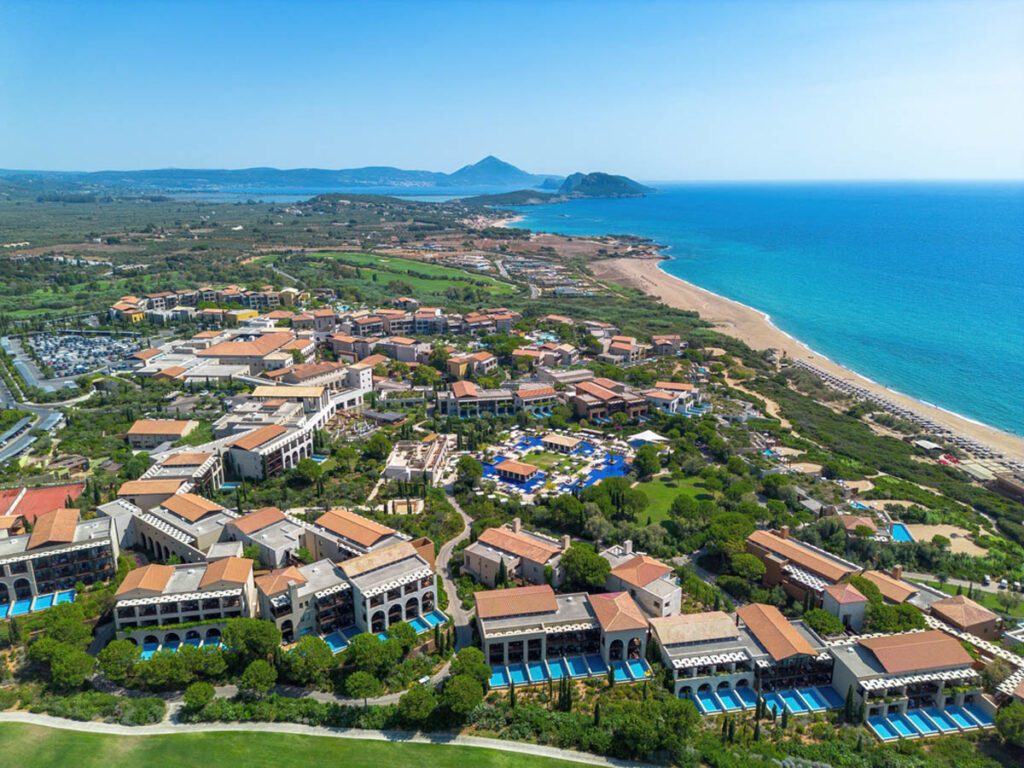
Earthquake Risk in Greece: Property Considerations
| Location | Relative Seismic Risk | Main Consideration | Recommended Action |
| Ionian Islands | Higher | Older buildings and previous repairs | Independent structural survey |
| Crete | Higher | Building quality varies | Verify engineering standards |
| Dodecanese | Higher | Older island properties | Check compliance and insurance |
| Athens & Attica | Moderate to High | Older apartment blocks | Review structural condition and alterations |
| Thessaloniki | Moderate | Older residential stock | Commission structural inspection |
| New-build developments | Lower (generally) | Developer quality varies | Verify permits, warranties and construction standards |
| Off-plan developments | Depends on developer | Construction and delivery risk | Carry out full legal and technical due diligence |
Stay Safe by Planning Your Move Properly
Personal safety is only one part of a successful move. Choosing the right location, understanding local risks and making informed decisions before you relocate can help you avoid costly mistakes later.
Book Your Private Greece Relocation Strategy Consultation
Limited private strategy slots available each week.
Trusted by UK nationals globally.
Prefer to speak directly? Tel: +44 208 058 8937.
Email: connect@adviceforexpats.com.
Wildfires, Extreme Heat and Flood Risks in Greece
Natural hazards are an important part of life in Greece, but they can usually be managed through informed planning and sensible property selection.
Wildfires have become an increasingly significant seasonal risk, particularly between late spring and early autumn. Properties bordering forests, undeveloped land and mountainous areas generally face greater exposure than those in established urban locations. Before purchasing a home, check local wildfire history, evacuation routes and access for emergency services.
Extreme summer temperatures are another important consideration. Heatwaves regularly affect Athens and other parts of southern Greece, making modern insulation, efficient air conditioning and reliable water supplies increasingly valuable. Older properties without adequate cooling systems can become uncomfortable during prolonged periods of extreme heat.
Flash flooding also occurs in parts of Greece following intense rainfall. Although less frequent than wildfires or earthquakes, buyers should investigate local drainage, flood history and any previous insurance claims before committing to a purchase.
The national Greece 112 emergency alert system provides real-time warnings covering wildfires, severe weather and other civil protection incidents. Registering for emergency alerts and understanding local evacuation procedures should form part of every relocation plan.
Finally, ensure your insurance policy reflects the property’s actual exposure to wildfire, flood and earthquake risk. Comprehensive cover provides reassurance and protects one of your most valuable assets.
For British expats, these risks should be viewed as practical planning issues rather than reasons to dismiss Greece as a relocation destination. With careful preparation, appropriate insurance and the right property, most people enjoy a safe, rewarding and secure life in Greece.
Political Stability, Demonstrations and Regional Security
Political headlines rarely reflect the reality of everyday life for most British expats in Greece.
Greece is a stable democratic country and remains one of Europe’s most popular destinations for relocation. Demonstrations occasionally take place, particularly around Syntagma Square and parts of Exarchia, where protests may temporarily disrupt roads, the Athens Metro and other public transport. These events are usually localised and are easily avoided by following local news and official guidance. While Greece maintains a low overall terrorism risk, UK nationals should remain aware of their surroundings in crowded public places, as they would in any European capital. Regional tensions reported in the eastern Mediterranean rarely affect daily life for residents. Before travelling or relocating, always review the latest FCDO travel advice for Greece rather than relying solely on media headlines.
Healthcare and Emergency Services in Greece
Access to reliable healthcare is one of the most important safety considerations when moving to Greece.
Greece operates the European emergency number 112, which connects callers to the police, ambulance and fire services. Athens and other major cities benefit from excellent public and private hospitals, many employing English-speaking doctors experienced in treating international patients. Emergency response times and access to specialist care can be more limited on smaller islands and in remote communities, making location an important consideration for retirees and families. Comprehensive health insurance remains strongly recommended, particularly during the relocation process and before becoming fully integrated into the Greek healthcare system.
For a detailed guide, read our Healthcare in Greece for British Expats guide.
Is Greece Safe for Families?
With the right planning, Greece offers an excellent environment in which to raise a family.
Many British expats in Greece choose family-friendly neighbourhoods that combine reputable schools, parks, modern healthcare and reliable public transport. Northern Athens suburbs and parts of the Athens Riviera remain particularly popular because they offer safe residential communities together with excellent access to hospitals and international schools in Greece. Parents should also consider road safety, especially around busy urban junctions, together with summer heat and local earthquake procedures introduced by many schools. Living close to healthcare facilities, schools and everyday amenities can make family life significantly easier while providing additional reassurance during emergencies.
Families assessing Greece more broadly can also weigh the pros and cons of Greek life, including safety alongside healthcare, schooling, affordability, climate, bureaucracy and the practical realities of raising children in Greece.
Is Greece Safe for Retirees?
Greece offers an attractive combination of security, lifestyle and a supporting expat community.
Personal safety is generally good, while established UK expat communities provide valuable support for newcomers settling into everyday life. When choosing where to live, retirees should look beyond crime statistics and consider access to healthcare, pharmacies, year-round transport and English-speaking medical professionals.
Summer heat, mobility needs and emergency response times become increasingly important with age, particularly on smaller islands where specialist services may be limited. An accessible property close to essential amenities often proves more valuable than a spectacular view. Careful location planning allows most retirees to enjoy Greece’s relaxed lifestyle with confidence and peace of mind.
Safety for Women Living in Greece
Most women living in Greece enjoy a safe and independent lifestyle, particularly in established residential communities.
For women considering moving to Greece from the UK, personal safety is generally comparable to that of many other European countries. Women living alone regularly use public transport, dine out and travel independently without experiencing significant problems. As with any large city, sensible precautions remain advisable, particularly when walking alone after dark or using busy transport hubs.
The Athens Metro, trams and buses are widely regarded as safe, although licensed taxis or reputable ride-hailing apps are often the preferred option late at night. Popular residential areas such as Kifissia, Psychiko, Glyfada and Voula are particularly well regarded for their relaxed atmosphere and strong sense of community.
Harassment is relatively uncommon but can occur in nightlife districts and crowded tourist areas. Any incident should be reported to the local police, who are generally responsive to complaints from residents and visitors. Island communities often provide a quieter pace of life and a close-knit environment, while larger cities offer greater employment opportunities, healthcare and public transport. For most British women, choosing the right neighbourhood remains the single most important factor influencing everyday safety.
Road Safety, Driving and Public Transport
Road safety deserves as much attention as crime when planning a move to Greece.
Many British expats find Greek driving standards more assertive than those in the UK, particularly in Athens, where heavy traffic, frequent lane changes and large numbers of motorcycles and scooters require greater concentration. Pedestrians should also remain alert, as drivers do not always give priority at crossings in the way many UK nationals expect.
Mountain roads and island routes can present additional challenges, including sharp bends, narrow carriageways and limited lighting after dark. Families travelling with young children should always use appropriate child seats, while drivers must ensure they have valid vehicle insurance that meets Greek legal requirements.
Public transport is generally reliable. The Athens Metro provides a safe and efficient way to travel across the city, while licensed taxis and reputable booking apps offer a convenient alternative, particularly during the evening. Ferries remain an essential part of island life, although weather conditions can occasionally delay sailings during winter. For most British expats, adapting to local driving habits is a more significant adjustment than concerns about personal safety.
Common Scams Affecting Foreigners in Greece
Most scams in Greece are opportunistic rather than sophisticated, making awareness your best defence.
The most common incidents affecting foreigners include pickpocketing distractions in crowded tourist areas, taxi overcharging and misleading short-term rental advertisements. Property buyers should be particularly cautious of fake property listings, requests for large deposits before contracts are signed and unverified developers or intermediaries.
Foreign investors should also be wary of contractor fraud, unrealistic investment guarantees and misleading claims surrounding the Greece Golden Visa programme. Only qualified lawyers and regulated professionals should advise on residency, property purchases and legal documentation. Likewise, avoid transferring funds to unregulated introducers or relying solely on online marketing material when making significant financial decisions.
Currency exchange scams are uncommon when using reputable foreign exchange providers, but unofficial exchange services should be avoided. Whether renting, buying or investing, independent legal advice and thorough due diligence remain the most effective safeguards. For British expats, careful preparation is usually enough to avoid the vast majority of scams encountered by newcomers to Greece.
Renting or Buying Property Safely in Greece
Buying the right property is about far more than finding the right price or location. It is about protecting your investment and avoiding unnecessary legal, structural and financial risks.
If you are considering purchasing a home, our Buying Property in Greece Guide explains the legal process, due diligence requirements and the common mistakes UK nationals should avoid before committing to a purchase.

Whether you are relocating permanently, retiring or considering the Greece Golden Visa, independent due diligence should always come before signing a reservation agreement or transferring funds. Every property should undergo comprehensive title checks, verification through the Greek Land Registry, and confirmation that all planning permissions have been obtained. Buyers should also investigate whether any unauthorised extensions or illegal alterations have been carried out, as these can create legal and financial complications later.
If purchasing a new-build or off-plan property, research the developer’s history, financial strength and track record for completing projects on time. Independent structural inspections remain advisable, even for modern developments, while earthquake resilience, wildfire exposure and flood risk should form part of every assessment before committing to a purchase.
Where possible, negotiate staged payments linked to construction milestones rather than paying substantial sums upfront. Comprehensive buildings insurance should also be arranged from completion, particularly in areas exposed to natural hazards.
Finally, buyers pursuing residency through the Greece Golden Visa should confirm that the chosen property satisfies the programme’s eligibility requirements before proceeding. Careful planning at the outset can prevent expensive mistakes and provide confidence that your investment supports both your relocation objectives and your long-term financial plans.
Turn Your Plans Into a Safe Relocation Strategy
A checklist is a great starting point. A coordinated relocation strategy helps ensure your residency, healthcare, tax, property and financial planning all work together before you leave the UK.
Book Your Private Greece Relocation Strategy Consultation
Limited private strategy slots available each week.
Trusted by UK nationals globally.
Prefer to speak directly? Tel: +44 208 058 8937.
Email: connect@adviceforexpats.com.
Practical Safety Checklist Before Moving to Greece
A little preparation before leaving the UK can significantly reduce the risks associated with relocating to Greece. Use this checklist before making your final decision.
- ✔ Review the latest FCDO travel advice and official Greek guidance.
- ✔ Visit your preferred neighbourhood during both the day and evening.
- ✔ Check proximity to hospitals, pharmacies and emergency services.
- ✔ Assess earthquake, wildfire and flood exposure before choosing a property.
- ✔ Arrange an independent structural inspection where appropriate.
- ✔ Confirm buildings and health insurance are in place before relocating.
- ✔ Save key emergency numbers, including the European emergency number 112.
- ✔ Register for Greece’s 112 emergency alert notifications where available.
- ✔ Complete legal title, planning and property checks before exchanging contracts.
- ✔ Ensure suitable healthcare cover is in place from the day you arrive.
- ✔ Prepare a family emergency plan, particularly if relocating with children or elderly relatives.
Following these simple steps can help ensure your move to Greece is safer, more organised and considerably less stressful.
Is Greece Safer Than Spain, Portugal, Italy and Turkey?
Each of these Mediterranean destinations offers an excellent lifestyle, but their safety profiles differ in important ways.
For most British expats, Greece compares favourably with Spain, Portugal, Italy and Turkey in terms of everyday personal safety. Serious violent crime remains relatively uncommon across all five countries, while petty theft is concentrated mainly in busy cities and popular tourist destinations. Greece’s principal challenges relate less to crime and more to earthquakes, seasonal wildfires and road safety, all of which can be managed through informed planning.
Portugal is often regarded as Europe’s benchmark for peaceful living, while Spain benefits from excellent infrastructure and healthcare. Italy shares many of Greece’s seismic characteristics, particularly in central and southern regions, whereas Turkey presents greater regional variation despite offering many safe locations for UK expats.
Ultimately, no country is universally safer than another. The neighbourhood you choose, the property you buy and the preparation you undertake before relocating will usually have a greater influence on your everyday experience than national rankings alone.
Greece Compared with Spain, Portugal, Italy and Turkey
| Safety Factor | Greece | Spain | Portugal | Italy | Turkey |
| Violent crime | Low | Low | Very Low | Low | Low in main expat areas |
| Petty crime | Tourist hotspots | Tourist hotspots | Lower overall | Tourist hotspots | Tourist hotspots |
| Road safety | Moderate | Good | Moderate | Moderate | Moderate |
| Earthquake exposure | High | Lower overall | Low to Moderate | High in some regions | High in several regions |
| Wildfire risk | Seasonal | Seasonal | Seasonal | Seasonal | Seasonal |
| Healthcare access | Very Good | Excellent | Excellent | Excellent | Excellent in major cities |
| Family suitability | Excellent | Excellent | Excellent | Excellent | Good to Very Good |
| Overall relocation suitability | Excellent | Excellent | Excellent | Excellent | Good, location dependent |
For most UK nationals, Greece remains one of the Mediterranean’s strongest relocation destinations, combining a high quality of life, relatively low levels of serious crime and an established UK expat community. Success ultimately depends on choosing the right location, undertaking proper due diligence and planning your move carefully before leaving the UK.
Why Choose Advice for Expats?
A successful move to Greece depends on far more than choosing the right destination.
Advice for Expats helps UK nationals coordinate every aspect of their move, from residency, tax planning and pensions to healthcare, property, legal due diligence and ongoing financial planning. Instead of dealing with multiple advisers, we help bring every stage of your relocation together, giving you the confidence to move to Greece knowing the important decisions have been made before you leave the UK.
FAQs: About Safety in Greece
The following answers address the questions British expats ask most frequently before moving to Greece.
Is Greece safe for British expats?
Yes. Greece is generally safe for British expats and is widely regarded as one of Southern Europe’s safest relocation destinations. Serious violent crime is relatively uncommon, while good healthcare, modern infrastructure and a high quality of life make Greece an attractive choice for UK nationals. Choosing the right neighbourhood and understanding local risks remain the most important safety considerations.
Is Greece safe to live in?
Yes. Greece is a safe place to live and offers a secure, high-quality lifestyle for most British retirees, families and professionals. While petty theft occurs in busy tourist areas, serious crime is relatively uncommon. Earthquakes, seasonal wildfires and road safety are usually more important long-term considerations than personal security.
Is Athens safe for British expats?
Yes. Athens is generally safe for British expats, particularly those living in established residential neighbourhoods. Pickpocketing is the most common crime affecting visitors in central districts, while violent crime remains relatively uncommon. Choosing the right area makes a significant difference to everyday life.
What is the crime rate in Greece?
The crime rate in Greece is relatively low, with serious violent crime remaining uncommon across most of the country. Opportunistic offences such as pickpocketing, burglary and scams are more likely to affect visitors in busy tourist areas than British expats living in established residential communities.
Which areas of Athens require greater caution?
Areas including Omonoia, Victoria Square, Metaxourgio, Exarchia and parts of Larissa Station require greater awareness, particularly after dark. These districts should not be viewed as universally unsafe, but visitors should remain alert and assess individual streets rather than relying on reputation alone.
Is Greece safe for families?
Yes. Greece is considered a safe destination for families, offering good healthcare, family-friendly neighbourhoods and an excellent quality of life. Parents should consider proximity to schools, hospitals, road safety, summer heat and local earthquake procedures when deciding where to live.
Is Greece safe for retirees?
Yes. Greece is one of Europe’s safest and most popular retirement destinations for British expats. Good personal security, established UK expat communities and an excellent Mediterranean lifestyle make it an attractive choice. Retirees should prioritise healthcare access, year-round transport and nearby essential services.
Are earthquakes a serious risk when living in Greece?
Yes. Earthquakes are a natural hazard in Greece because it is Europe’s most seismically active country, but the risks can usually be managed successfully. Modern building standards, careful property selection and independent structural inspections significantly reduce the risk for British expats relocating to Greece.
People Also Ask About Safety in Greece
These are some of the additional questions UK nationals frequently ask before relocating to Greece.
Is Athens safer than London?
Neither city is universally safer, but Athens generally experiences lower levels of serious violent crime than many major European capitals. London has different crime patterns, while Athens presents greater concerns around pickpocketing, demonstrations and traffic rather than violent offences affecting residents.
What is the safest neighbourhood in Athens for British expats?
Kifissia, Psychiko, Filothei, Voula, Glyfada and Vouliagmeni are widely regarded as some of the safest neighbourhoods in Athens. They combine excellent residential environments, good healthcare, international schools and strong transport links, making them particularly attractive to British families and retirees.
Is it safe to walk around Athens at night?
Yes, in most established residential and commercial areas. However, British expats and visitors should exercise the same precautions they would in any major city, particularly around isolated streets, transport hubs and districts known for higher levels of petty crime after dark.
Is the Athens Metro safe after dark?
Yes. The Athens Metro is generally regarded as safe and is widely used by residents throughout the day and evening. As with other European capitals, passengers should remain aware of their belongings, particularly during busy periods and at central interchange stations.
Which Greek island is safest for British retirees?
There is no single answer, although Corfu, Crete and Rhodes are consistently popular with British retirees because they combine good healthcare, established UK expat communities and reliable infrastructure. The best choice depends on healthcare needs, accessibility and year-round services.
Is Crete a safe place to retire?
Yes. Crete is one of the safest and most popular destinations for British retirees, offering a relaxed lifestyle, relatively low crime, excellent climate and good healthcare in the larger towns. Smaller communities provide a slower pace of life but may have fewer specialist medical services.
How serious is the wildfire risk in Greece?
Wildfires are a seasonal risk, particularly during the hot summer months and in areas close to forests or undeveloped land. Choosing an appropriate location, understanding evacuation procedures and arranging suitable insurance can significantly reduce the potential impact on residents.
Are modern homes in Greece built to withstand earthquakes?
Generally, yes. Modern Greek buildings are constructed to far stricter seismic regulations than many older properties. Nevertheless, buyers should always commission independent structural inspections, verify planning compliance and investigate the developer’s reputation before purchasing any property.
Useful Resources
The following official resources provide additional guidance for UK nationals considering relocating to Greece.
Civil Protection Greece: Official guidance on earthquakes, wildfires, emergency preparedness and civil protection.
European-Mediterranean Seismological Centre (EMSC): Real-time earthquake monitoring, seismic activity and alerts across Greece and the wider Mediterranean.
Start Your Greece Journey
Moving to Greece is one of life’s biggest decisions—and one of its most rewarding when planned properly.
To gain a broader understanding of everyday life, explore our Living in Greece for UK Expats Guide before making your final decision.
Whether you need help choosing the right location, understanding residency options, planning your tax affairs, arranging healthcare, reviewing a property purchase or coordinating every stage of your relocation, Advice for Expats is here to help. Our experienced team works with trusted professional partners to ensure your move is structured correctly from the outset, helping you relocate to Greece with confidence while avoiding unnecessary risks and costly mistakes.

Ready to Start Your New Life in Greece?
The decisions you make before leaving the UK will shape your experience of living in Greece. Let us help you coordinate every stage of your move with confidence
Book Your Private Greece Relocation Strategy Consultation
Limited private strategy slots available each week.
Trusted by UK nationals globally.
Prefer to speak directly? Tel: +44 208 058 8937.
Email: connect@adviceforexpats.com.