

Introduction
Wondering which international schools in Turkey offer the best education for your children before relocating from the UK? For many British families, choosing the right school becomes one of the most important decisions they make, influencing where they live, their children’s academic future and how smoothly the transition to life overseas unfolds.
Turkey has become an increasingly attractive destination for UK nationals and British families seeking a better quality of life. Alongside modern infrastructure and a growing international community, the country now offers an excellent choice of international schools in Istanbul and other major cities, delivering British, International Baccalaureate (IB) and American curricula recognised worldwide.
This guide compares the best international schools in Turkey, explains fees, admissions, accreditation and curricula, and helps British families choose the right school before moving to Turkey from UK.
Article Summary
Choosing between the many international schools in Turkey can feel overwhelming, particularly if you’re unfamiliar with the Turkish education system. School quality, curriculum, location, admissions policies and annual fees vary considerably from one institution to another.
This guide compares curricula, fees, admissions, accreditation and the best places for British families to live when relocating to Turkey.
Key Takeaways
Before choosing a school, consider the following key points:
- Turkey offers an excellent selection of international schools following British, IB and American curricula.
- International schools in Istanbul provide the widest choice for British families relocating from the UK.
- Annual 2026/27 tuition fees vary significantly depending on curriculum, age group and location.
- International accreditation, including IB, COBIS, CIS and Cambridge International, is an important indicator of academic quality.
- Many leading schools operate waiting lists, making early applications highly advisable.
- Most international schools teach primarily in English, although additional languages are commonly offered.
- School location should be considered alongside housing, commuting times and lifestyle.
- British curriculum schools can provide a smoother transition for children intending to return to UK education.
- IB schools are often preferred by internationally mobile families seeking global university recognition.
- Careful education planning before moving to Turkey from the UK can reduce stress and improve long-term outcomes for the entire family.
International Schools in Turkey at a Glance
International schools in Istanbul offer British families the widest choice of internationally accredited education. However, excellent alternatives are also available in Ankara, Izmir, Antalya and Bodrum.
Compare schools on curriculum, accreditation, university pathways, class sizes, location and admissions—not tuition fees alone.
The table below provides an overview of some of Turkey’s leading international education destinations.
International Schools in Turkey at a Glance
| School | City | Curriculum | Ages | Approx. 2026/27 Annual Fees* | Accreditation |
| British International School Istanbul | Istanbul | British | 2–18 | Premium | COBIS, Cambridge, Pearson |
| Istanbul International Community School | Istanbul | IB | 3–18 | Premium | IB, CIS, NEASC |
| MEF International School | Istanbul | IB | 3–18 | Upper Mid | IB, CIS |
| TED Ankara College | Ankara | Turkish & International | 4–18 | Mid | Turkish Ministry, International partnerships |
| TAKEV Schools | Izmir | IB | 3–18 | Mid | IB |
| Antalya International School | Antalya | British & IB | 3–18 | Mid | International accreditation |
| Bodrum Marmara College International | Bodrum | British & International | 3–18 | Mid | Cambridge programmes |
*Fees vary according to year group, campus, optional services and annual revisions. Registration fees, transport, meals, uniforms and extracurricular activities are generally charged separately.
For many UK nationals moving to Turkey, Istanbul remains the strongest overall choice because it combines the country’s largest selection of British schools, IB schools, international employers, private healthcare, excellent transport links and family-friendly residential districts. Nevertheless, Ankara, Izmir, Antalya and Bodrum each offer compelling alternatives depending on your family’s lifestyle preferences, budget and long-term plans for retiring to Turkey.
Get Your Turkey Relocation Strategy Right
Choosing the wrong location or school can be an expensive mistake. Get independent guidance before committing to a move.
Book Your Turkey Family Relocation Consultation
Limited private strategy slots available each week.
Trusted by UK nationals globally.
Prefer to speak directly? Tel: +44 208 058 8937.
Email: connect@adviceforexpats.com.
How International Education Works in Turkey
Turkey offers three main education options: public schools, Turkish private schools and international schools. Each follows different curricula, teaching languages and qualification pathways, so understanding these differences is essential before choosing a school.
Turkey’s mainstream school system follows a 12-year structure divided broadly into primary, lower-secondary and upper-secondary stages.
Families planning a permanent move should also read our Living in Turkey guide to understand what day-to-day life is like beyond the education system.
Public Schools in Turkey
State schools follow the Turkish national curriculum and normally teach lessons in Turkish. Public schools generally suit children who already speak Turkish or families planning permanent settlement.
Parents should also consider teaching style, assessment and curriculum differences before transferring from the UK system.
Foreign children can attend Turkish schools, although enrolment requirements vary according to age, residence status, previous school records and the availability of places.
Private Schools in Turkey
A Turkish private school is not automatically an international school.
Before applying, confirm:
- the curriculum taught;
- the language of instruction;
- secondary qualifications offered;
- international accreditation;
- university progression pathways.
International Schools in Turkey
International schools usually deliver a recognised overseas or international curriculum. Common options include the English National Curriculum, Cambridge programmes, Pearson Edexcel qualifications, the International Baccalaureate and American-style education.
Admissions requirements vary by school but typically include passports, previous school reports, references and, where appropriate, entrance assessments. Popular year groups may also operate waiting lists.
For an official overview of the national education framework, see the Turkish education system guidance published by the Ministry of National Education.
British, IB and American Curricula Explained
Choosing the right curriculum influences how children are taught, the qualifications they receive and how easily they can transfer between education systems.
The most suitable option depends on your child’s future education plans rather than the school’s reputation alone.
British Curriculum
British schools in Istanbul may follow the English National Curriculum or an internationally adapted version. Younger pupils usually progress through familiar primary and secondary stages before working towards qualifications such as IGCSEs and A Levels.
Most British schools prepare pupils for Cambridge or Pearson qualifications leading to internationally recognised IGCSEs and A Levels.
The British route often suits:
- families who may return to the UK;
- children already studying the English curriculum;
- pupils targeting British universities;
- parents who want familiar qualifications and assessment methods.
International Baccalaureate
The IB offers several programmes covering different age groups:
- Primary Years Programme for younger pupils;
- Middle Years Programme for early secondary education;
- Diploma Programme for students preparing for university;
- Career-related Programme at selected schools.
Turkey has one of the largest IB school networks in the region, with authorised schools offering the PYP, MYP and Diploma Programme.
IB education places strong emphasis on inquiry, independent thinking, research, languages and international awareness. It can suit highly mobile families because the programme is recognised across many countries.
American Curriculum
American schools typically use a credit-based high-school structure leading to an American High School Diploma. Some also offer Advanced Placement courses, which allow pupils to study university-level subjects and strengthen applications to institutions in the United States and elsewhere.
This pathway is generally best suited to families planning future education in the United States or seeking a broader, continuously assessed curriculum.
British vs IB vs American Curriculum
| Feature | British | IB | American |
| Main qualification | IGCSE and A Level | IB Diploma | High School Diploma and AP |
| Teaching style | Structured and subject-led | Inquiry and research-led | Flexible and coursework-led |
| Assessment | Exams plus some coursework | Exams, coursework and projects | Continuous assessment and exams |
| Best pathway | UK and global universities | International universities | US and global universities |
| Best suited to | Returning UK families | Mobile international families | US-focused families |
The right curriculum depends on your child’s long-term education plans. British qualifications generally suit families returning to the UK, the IB offers the greatest international flexibility, while the American curriculum is often the strongest choice for families expecting future study in the United States.
Best International Schools in Istanbul
Istanbul offers Turkey’s broadest choice of international education. However, the strongest schools differ significantly in curriculum, cost, admissions criteria, campus location and long-term university pathways.
For most British families, three schools consistently stand out: the British International School Istanbul, Istanbul International Community School and MEF International School Istanbul.

British International School Istanbul
The British International School Istanbul is one of the strongest options for families seeking continuity with the UK education system.
It delivers the English curriculum, prepares pupils for Cambridge IGCSEs and offers the IB Diploma Programme. The school also holds triple accreditation from CIS, COBIS and MSA-CESS, reflecting internationally recognised academic standards.
Published 2026/27 tuition ranges from approximately $7,200 for half-day preschool to $17,500 for Year 13. A one-off registration fee of $5,500 applies from Year 1 onwards.
Best suited to British families returning to the UK, pupils seeking Cambridge and IB qualifications, and parents wanting a traditional British-school environment.
Istanbul International Community School
Istanbul International Community School is one of the most established international schools in Istanbul. Operating as a private, non-profit day school.
IICS offers the full IB pathway across its early years, primary, middle and secondary stages.
For 2026/27, published tuition ranges from US$23,000 to US$48,900, depending on campus and year group.
Best suited to:
- families expecting further international moves;
- children already studying within the IB system;
- pupils seeking a fully international environment;
- families wanting a non-profit school with extensive student support.
MEF International School Istanbul
MEF International School offers another strong English-medium option, particularly for families seeking an established international campus with IB and international accreditation.
The school offers education from early years through secondary level and provides the IB Diploma Programme.
For 2026/27, total tuition and food costs, including VAT, range from US$23,610 in preschool to US$46,265 for the second IB year.
MEF is one of Istanbul’s premium international schools, combining an established IB pathway with modern facilities and English-medium teaching.
Best suited to:
- internationally mobile families;
- pupils seeking IB progression;
- families living near the European-side business districts;
- parents wanting a large, established international school.
Other Schools Worth Considering
Several Turkish private schools in Istanbul also offer IB, Cambridge or strong bilingual education.
Schools such as ENKA, Üsküdar American Academy, SEV American College and selected İSTEK campuses may offer excellent academic programmes.
Before applying, compare curriculum, teaching language, admissions requirements and university pathways to ensure the school matches your child’s long-term educational goals.
Best International Schools Across Turkey
The range of international schools outside Istanbul is narrower, but strong options exist in Ankara and Izmir. Antalya and Bodrum also offer IB, bilingual and internationally oriented private schools, although families should examine their curriculum and accreditation carefully.

Bilkent Laboratory and International School, Ankara
Bilkent Laboratory and International School is one of Ankara’s best-known international schools.
Located on Bilkent University’s campus, BLIS provides English-medium education from early years through secondary school. Its curriculum includes the IB Primary Years Programme, Cambridge IGCSE and the IB Diploma Programme. The school is recognised by the Turkish Ministry of Education and holds CIS and NEASC accreditation.
BLIS is particularly well suited to diplomatic and internationally mobile families based in Ankara. Tuition fees are available directly from the school’s admissions office.
MEF International School Izmir
MEF International School Izmir is one of the strongest choices for families seeking a fully international education on Turkey’s Aegean coast.
The school teaches in English, offers Cambridge programmes and provides the IB Diploma Programme in Grades 11–12. It received CIS accreditation in 2019 and is officially recognised by Turkey’s Ministry of National Education.
For 2026/27, published total costs including tuition, food and VAT range from approximately $19,300 in early years to more than $40,000 in upper secondary and IB grades.
MEF Izmir combines internationally recognised qualifications with a relaxed coastal lifestyle, making it one of Turkey’s strongest alternatives to Istanbul.
IB and Private Schools in Antalya
Antalya has fewer fully international schools than Istanbul or Ankara. However, several private schools offer IB programmes, bilingual teaching and international elements.
İSTEK Antalya Lara School is authorised to offer IB programmes, while other Antalya schools also appear in the official IB directory.
Before applying, confirm the curriculum, language of instruction and qualifications offered, as these vary between schools.
International Education in Bodrum
Bodrum offers a smaller school market shaped largely by Turkish private colleges and bilingual education.
Bodrum Private Marmara College appears in the IB World School directory and offers recognised international programmes.
Bodrum is best suited to younger families and lifestyle-led relocations, although older pupils may find fewer curriculum choices than in Istanbul or Ankara.
Choosing Between Cities
Istanbul provides the widest choice and strongest curriculum diversity. Ankara offers excellent international education for diplomatic and professional families. Izmir combines a credible international school with a more relaxed coastal lifestyle.
Wherever you choose to live, identify the right school before committing to a property, as education options vary significantly between regions.
International School Fees in Turkey (2026/27)
For most British families, school fees are one of the largest ongoing relocation costs after accommodation. Although Turkey generally offers better value than many international schools in Western Europe or the Middle East, fees vary considerably depending on the city, curriculum, facilities and reputation of the school.
Total education costs often include registration fees, transport, meals, uniforms, examinations and extracurricular activities, making the overall annual cost significantly higher than tuition alone.
Fortunately, many of the best international schools in Istanbul publish transparent fee schedules, allowing parents to budget accurately before committing to a move.
How Much Should British Families Budget?
As a broad guide, British families should expect the following annual tuition ranges during the 2026/27 academic year.
International School Fees in Turkey (2026/27)
| Location | Typical Annual Tuition* | Registration Fee | Typical Additional Costs |
| Istanbul | US$18,000–US$49,000 | US$1,000–US$8,000 | Meals, transport, uniforms, capital levy, examinations |
| Ankara | Usually available on request | Varies | Meals, transport, uniforms |
| Izmir | US$19,000–US$40,000+ | US$1,250–US$3,500 | Meals, transport, activities |
| Antalya | Available directly from schools | Varies | Meals, transport, uniforms |
| Bodrum | Available directly from schools | Varies | Meals, transport, extracurricular activities |
*Representative published ranges from leading international schools where publicly available. Some schools provide quotations only upon application.
What Do International School Fees Usually Include?
Most schools separate costs into several categories:
- Annual tuition
- Registration or enrolment fee
- Capital or development levy (where applicable)
- School meals
- School transport
- Uniforms
- Books and learning materials
- External examination fees (IGCSE, A Level or IB)
- Educational trips
- Extracurricular activities
Published 2026/27 Fee Examples
Among the schools that publish detailed fee schedules:
- British International School Istanbul publishes tuition ranging from approximately US$7,200 for part-time early years to around US$17,500 for Year 13, together with a registration fee for new pupils.
- Istanbul International Community School (IICS) publishes annual tuition ranging from approximately US$23,000 to almost US$49,000, together with application, registration and capital fees depending on year group.
- MEF International School publishes tuition broadly ranging between US$23,000 and US$46,000, depending upon campus and year level.
Families comparing education costs should also read our Moving to Turkey from UK guide before deciding where to live.
For official tuition schedules and admissions information published by individual schools, always refer directly to the relevant admissions office before applying, as fees are reviewed annually.
Hidden Costs British Families Often Overlook
Before accepting a place, ask every school for a complete fee schedule covering:
- Registration and enrolment fees
- Capital development levies
- School transport
- Daily lunches
- Uniforms and sportswear
- Laptop or technology requirements
- Examination fees (IGCSE, A Level or IB Diploma)
- Educational visits
- Optional clubs and extracurricular activities
Are Premium Schools Worth the Extra Cost?
Higher fees frequently provide:
- Smaller class sizes
- Better university counselling
- More extensive sports and performing arts facilities
- Modern science laboratories
- Higher teacher-to-pupil ratios
- Wider extracurricular programmes
- Stronger international university placement records
Parents should therefore evaluate:
- curriculum;
- academic outcomes;
- accreditation;
- university destinations;
- pastoral care;
- commuting time;
- total annual cost.
Planning Your Education Budget
A realistic annual budget should include:
| Cost Category | Budget Consideration |
| Tuition | Largest annual cost |
| Registration | Usually payable on first enrolment |
| Capital levy | Applicable at some schools |
| Transport | Often charged separately |
| Meals | May or may not be included |
| Uniforms | Initial and replacement purchases |
| Technology | Laptop or tablet requirements |
| Examination fees | IGCSE, A Level and IB assessments |
| School trips | Domestic and overseas visits |
| Extracurricular activities | Sports, music and clubs |
International School Fees Continue to Evolve
As fees are reviewed annually, always confirm the latest published schedule before applying.
Understanding education costs is only one part of relocating successfully. Our Financial Planning for UK Expats guide explains how to budget for education, housing and long-term family finances before moving abroad.
For information about Cambridge qualifications offered by international schools worldwide, visit Cambridge International Education.
Avoid Costly Relocation Mistakes
School fees, waiting lists and residency planning all affect a successful move. Get independent guidance before making expensive commitments.
Book Your Turkey Family Relocation Consultation
Limited private strategy slots available each week.
Trusted by UK nationals globally.
Prefer to speak directly? Tel: +44 208 058 8937.
Email: connect@adviceforexpats.com.
Accreditation and Academic Standards
For British families relocating to Turkey, accreditation is one of the most important indicators of educational quality. International accreditation demonstrates that a school has been independently assessed against recognised standards for teaching, governance and student welfare.
Why Accreditation Matters
Choosing an accredited school offers several important advantages:
- Qualifications recognised internationally.
- Consistently high academic standards.
- Independent quality assurance.
- Easier transitions between international schools.
- Improved university admission prospects.
- Stronger safeguarding and student welfare policies.
International Baccalaureate (IB) Accreditation
The International Baccalaureate (IB) is one of the world’s most respected education frameworks. Many of Turkey’s leading international schools are authorised to deliver one or more IB programmes, including the Primary Years Programme (PYP), Middle Years Programme (MYP) and Diploma Programme (DP).
The IB is recognised by universities worldwide and is particularly attractive to internationally mobile families.
British Curriculum Accreditation
Schools offering the English National Curriculum typically prepare pupils for IGCSE and A Level examinations. Parents should look for schools authorised to deliver qualifications awarded by recognised UK examination boards such as:
- Cambridge Assessment International Education (CAIE)
- Pearson Edexcel
Council of British International Schools (COBIS)
COBIS membership demonstrates a commitment to British educational values, professional development, safeguarding and high academic standards.
Council of International Schools (CIS)
CIS accreditation provides independent assurance that a school meets internationally recognised standards for governance, teaching quality and student welfare.
NEASC Accreditation
Some international schools in Turkey also hold accreditation from the New England Association of Schools and Colleges (NEASC).
NEASC accreditation is recognised internationally and may be particularly relevant for families considering future education in North America.
Turkish Ministry of National Education Approval
Every school operating legally in Turkey must comply with the regulations of the Turkish Ministry of National Education (Millî Eğitim Bakanlığı).
Parents should therefore confirm both the school’s legal approval within Turkey and any international accreditations relevant to their child’s educational pathway.
How British Families Should Evaluate Accreditation
Key questions to ask include:
- Which curriculum best suits your child’s future plans?
- Are qualifications recognised by UK universities?
- When was the school’s most recent accreditation review?
- What are the school’s university placement outcomes?
- Does the school hold multiple international accreditations?
- How experienced are the teaching staff?
- What pastoral and safeguarding systems are in place?
Admissions Requirements and Application Process
Securing a place at one of Turkey’s leading international schools requires careful planning.
Families relocating from the UK should begin the admissions process as early as possible. The most sought-after international schools in Istanbul often have waiting lists for popular year groups, particularly Early Years, Primary and the International Baccalaureate Diploma Programme.
Applying six to twelve months before relocation provides the greatest choice of schools.
Typical Admissions Requirements
Most international schools will request some or all of the following:
- Completed application form.
- Copy of the child’s passport.
- Parent or guardian identification.
- Previous two or three school reports.
- Academic transcripts (where applicable).
- Teacher references.
- Immunisation or health records (school dependent).
- Passport-sized photographs.
- Proof of home address.
- Application fee (where applicable).
Assessments and Interviews
Depending on age, schools may conduct:
- Informal classroom observations.
- Reading and numeracy assessments.
- English-language assessments.
- Mathematics evaluations.
- Cognitive ability tests.
- Interviews with students.
- Parent meetings with admissions staff.
English Language Requirements
Most British and international schools deliver lessons primarily in English.
Many schools also provide English as an Additional Language (EAL) support for pupils who require extra assistance during their transition.
Visas and Residency Considerations
Admission to an international school does not automatically grant residency rights in Turkey. School admissions and residence applications should therefore be planned together.
Waiting Lists and Availability
Demand varies considerably between schools and year groups.
Waiting lists are most common for:
- Nursery and Early Years.
- Reception and Primary.
- International Baccalaureate Diploma Programme.
- Highly regarded British curriculum schools.
Recommended Admissions Timeline
The following timetable provides a practical framework for British families planning a move to Turkey.
| Timeline Before Relocation | Recommended Actions |
| 12 months | Research schools, compare curricula, establish budget. |
| 10–11 months | Contact admissions offices and request prospectuses. |
| 8–9 months | Submit applications and supporting documentation. |
| 6–7 months | Complete interviews and entrance assessments. |
| 5–6 months | Receive offers and confirm enrolment. |
| 3–4 months | Arrange housing close to your chosen school. |
| 2 months | Finalise residence documentation, uniforms and transport. |
| 1 month | Attend induction events and prepare for the first school day. |
Get Independent Relocation Advice
Choosing the right school is only one part of a successful move. We help British families coordinate school admissions, residency planning, housing, healthcare and financial considerations before relocating to Turkey.
Book Your Turkey Family Relocation Consultation
Limited private strategy slots available each week.
Trusted by UK nationals globally.
Prefer to speak directly? Tel: +44 208 058 8937.
Email: connect@adviceforexpats.com.
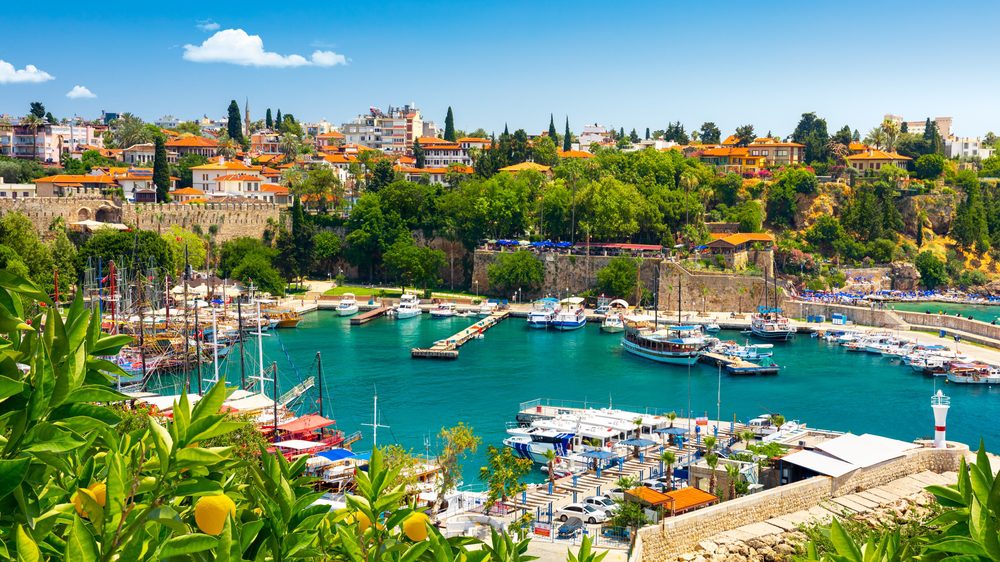
Where British Families Should Live
Choosing the right location is just as important as choosing the right school.
Most international schools are concentrated in Istanbul, although excellent options are also available in Ankara, Izmir, Bodrum and Antalya.
Factors to Consider Before Choosing a Location
When deciding where to live, British families should consider:
- Proximity to preferred schools.
- Daily commuting times.
- Safety in Turkey and neighbourhood environment.
- Access to hospitals and healthcare.
- Public transport connections.
- Housing availability and cost.
- Recreational facilities and green spaces.
Best Areas for British Families in Istanbul
Several districts consistently attract expatriate families because they combine high-quality housing with convenient access to leading international schools.
| Area | Best For | Advantages | Considerations |
| Beşiktaş | City living | Close to international schools, business districts and Bosphorus | Higher property prices |
| Sarıyer | Families | Green surroundings, premium schools, spacious housing | Longer commute to some commercial areas |
| Beykoz | Larger homes | Quiet residential environment and family lifestyle | Car ownership often beneficial |
| Üsküdar | Balanced lifestyle | Good transport links and family amenities | Longer journeys to some European-side schools |
| Kadıköy | Modern urban living | Excellent restaurants, transport and coastal lifestyle | Busy during peak periods |
Family-Friendly Locations Beyond Istanbul
Families seeking a slower pace of life may also consider:
- Ankara: Excellent schools, government institutions and lower living costs.
- Izmir: Relaxed coastal lifestyle with growing international education options.
- Antalya: Popular with expatriates seeking sunshine and outdoor living.
- Bodrum: Premium lifestyle destination with a smaller but high-quality selection of international schools.
Matching Your Lifestyle to the Right Location
- Professionals working in Istanbul may value proximity to business districts.
- Families with younger children often prioritise space, parks and shorter school journeys.
- Retiring families with school-age children may prefer coastal cities offering a more relaxed pace of life.
- Families planning long-term residence should balance housing affordability with access to education and healthcare.
For independent crime, healthcare and quality-of-life comparisons between Turkish cities, consult the latest data published by Numbeo.
Planning Your Family Education Budget
When planning a move to Turkey, tuition fees are only part of the financial picture. British families should prepare a realistic annual education budget that includes both compulsory and optional school-related expenses.
Typical Annual Education Budget
The following example illustrates a realistic annual budget for one child attending a leading international school in Turkey.
| Expense | Estimated Annual Cost (USD)* |
| Tuition | $20,000–$45,000 |
| Registration and administration fees | $1,000–$6,000 (first year may be higher) |
| School transport | $1,000–$3,000 |
| Uniforms | $400–$1,000 |
| Technology (laptop/tablet where required) | $800–$2,000 |
| School lunches | $800–$2,000 |
| Educational trips | $500–$3,000 |
| Examination fees | $300–$1,000 |
| Extracurricular activities | $500–$2,500 |
*Indicative planning ranges based on published fee schedules from leading international schools. Individual schools vary.
Budgeting Beyond Tuition
Preparing a comprehensive education budget before relocating allows families to choose the right school without compromising other important aspects of their lifestyle, such as housing, healthcare or retirement planning.
Education costs should also be considered alongside your wider household budget. Read our guide to cost of living in Turkey to understand what British families can expect to spend on housing, utilities, transport, groceries and everyday living expenses before relocating.
Choosing the Right School for Different Families
Every British family has different priorities. The best international school is not necessarily the one with the highest fees or the strongest academic reputation—it is the one that best supports your family’s future plans.
Which School Is Right for You?
| Family Type | Recommended School Characteristics | Why It Matters |
| Relocating executives | Strong IB or British curriculum, excellent transport links, extensive extracurricular activities | Supports internationally mobile careers and university progression. |
| Entrepreneurs and business owners | Flexible admissions, international curriculum, networking opportunities | Greater flexibility for changing business circumstances and travel. |
| Retirees relocating with grandchildren | Smaller class sizes, strong pastoral care, family-friendly environment | Prioritises wellbeing, stability and community integration. |
| Internationally mobile families | Full IB continuum or globally recognised curriculum | Simplifies transfers between countries and education systems. |
| Families expecting to return to the UK | English National Curriculum, IGCSE and A Levels | Ensures continuity with UK schools and university admissions. |
Balancing Academic and Lifestyle Priorities
Parents should consider far more than examination results. Daily commuting times, pastoral support, class sizes, extracurricular opportunities and the child’s individual learning style all contribute to a successful educational experience.
Selecting the right school should form part of your overall relocation strategy rather than being viewed as a separate decision.
Where you buy a property can also affect school journeys, family lifestyle and long-term investment potential. Families considering Istanbul should read our guide to Best Areas to Buy Property in Istanbul before choosing a neighbourhood.
Protect Your Family’s Long-Term Plans
Education, residency, healthcare, property and finances should be planned together before you relocate.
Get independent guidance to avoid costly decisions and build a joined-up strategy for your family’s move to Turkey.
Book Your Turkey Family Relocation Strategy Consultation
Limited private strategy slots available each week.
Trusted by UK nationals globally.
Prefer to speak directly? Tel: +44 208 058 8937.
Email: connect@adviceforexpats.com.
Common Mistakes When Choosing Schools
Choosing an international school is one of the most significant decisions a family will make when relocating. Avoiding a few common mistakes can save considerable time, money and stress.
The Five Most Common Mistakes
- Assuming all international schools are equally accredited. Always verify international accreditations rather than relying solely on marketing materials.
- Applying too late. Popular schools often have waiting lists, particularly for Early Years and Primary classes.
- Underestimating the true cost. Tuition is only one element of the overall education budget. Transport, uniforms, technology, meals and activities should all be considered.
- Ignoring commuting times. A prestigious school may lose its appeal if children spend several hours each day travelling across Istanbul.
- Choosing the wrong curriculum. Families intending to return to the UK may benefit from the English National Curriculum, while internationally mobile families may find the International Baccalaureate offers greater long-term flexibility.
By planning early, understanding the total cost of education and selecting a curriculum aligned with future university and career goals, British families can make a confident and informed decision that supports both their children’s education and their wider relocation objectives.
Final Verdict: Which Schools Stand Out?
Turkey offers an impressive range of international schools, particularly in Istanbul, giving British families access to globally recognised curricula, excellent teaching standards and strong university pathways. The “best” school ultimately depends on your child’s age, your family’s long-term plans and your relocation budget rather than reputation alone.
Our Recommendations
- Best for British families returning to the UK: Schools delivering the English National Curriculum with IGCSE and A Levels provide the smoothest transition back into the British education system.
- Best for internationally mobile families: Schools offering the full International Baccalaureate (IB) continuum provide maximum flexibility for future relocations and global university admissions.
- Best for younger children: Schools with strong Early Years programmes, excellent pastoral care and smaller class sizes often provide the easiest transition into life in Turkey.
- Best for older students: Established schools with proven IGCSE, A Level or IB Diploma results and strong university counselling services offer the greatest long-term academic opportunities.
- Best value for money: Several excellent schools outside Istanbul, particularly in Ankara, Izmir and Antalya, provide outstanding education at a lower overall cost while maintaining high academic standards.
Why Choose Advice for Expats?
Relocating to Turkey involves far more than selecting the right school. Education, visas, healthcare, property, tax planning and financial planning should be planned together.
Advice for Expats specialises in helping British families coordinate every stage of their relocation. We help you integrate school selection into your wider relocation strategy, ensuring that your chosen location, residency status, healthcare arrangements and long-term financial objectives all align with your family’s future.
Our experienced advisers can assist with:
- School selection and relocation planning.
- Turkish residence and visa guidance.
- Healthcare and private medical insurance.
- Property purchase and rental advice.
- International pensions and wealth management.
- Cross-border tax planning.
- Currency exchange solutions.
- Ongoing support after your move.
Families planning to combine relocation with a qualifying property purchase can also explore our guide to Best Off-Plan Property for Sale in Turkey, covering development selection, due diligence and citizenship-eligible opportunities.
Frequently Asked Questions
Below are answers to the questions British families ask most often.
How much do international schools in Turkey cost?
International schools in Turkey typically charge annual tuition ranging from approximately US$15,000 to over US$45,000, depending on the school, curriculum and year group. Families should also budget for registration fees, transport, meals, uniforms, technology, examinations and extracurricular activities, which may significantly increase the overall annual education cost.
What are the best international schools in Istanbul?
The best international schools in Istanbul are those that combine recognised accreditation, excellent academic outcomes, experienced teachers and strong pastoral care. British families should compare curriculum, location, university destinations, facilities, class sizes and commuting times before making a final decision.
Can British children attend international schools in Turkey?
Yes. British children are eligible to attend most international schools in Turkey provided they satisfy the school’s admissions requirements. Schools normally request previous academic reports, passports, application forms and, in some cases, interviews or entrance assessments.
Are there British schools in Istanbul?
Yes. Several British schools in Istanbul deliver the English National Curriculum and prepare pupils for IGCSE and A Level qualifications. These schools provide curriculum continuity and qualifications recognised by UK universities.
Do international schools in Turkey teach in English?
Most international schools in Turkey teach primarily in English, although many also offer Turkish and additional foreign languages. Children whose first language is not English may receive English as an Additional Language (EAL) support where required.
What is the difference between the British curriculum and the IB?
The British curriculum follows the English National Curriculum and leads to IGCSE and A Level qualifications. The International Baccalaureate (IB) offers a broader, internationally recognised framework that emphasises critical thinking, independent research and global perspectives, making it particularly suitable for internationally mobile families.
Are international schools in Turkey accredited?
Many leading international schools in Turkey hold internationally recognised accreditation from organisations such as the International Baccalaureate (IB), Council of International Schools (CIS), Council of British International Schools (COBIS) and NEASC
How long are waiting lists for international schools in Istanbul?
Waiting lists vary considerably depending on the school and year group. Popular international schools in Istanbul often have limited availability for Early Years, Primary and IB Diploma places. Applying six to twelve months before relocation provides the greatest opportunity to secure your preferred school.
When should I apply to an international school in Turkey?
British families should ideally begin researching schools around twelve months before relocating and submit applications at least six to nine months before the intended start date.
Can children transfer from UK schools to schools in Turkey?
Yes. Most international schools in Turkey regularly accept pupils transferring from UK schools. Admissions teams will review previous school reports, year-group placement and, where appropriate, conduct assessments
People Also Ask
These are some of the most common Google questions about international schools in Turkey.
Is Turkey a good place to raise children?
Turkey offers many advantages for families, including a lower cost of living than the UK, excellent private healthcare, a warm climate and high-quality international schools. Choosing the right location and school is key to ensuring a successful family relocation.
Are private schools in Turkey better than state schools?
Private and international schools generally offer smaller class sizes, English-language teaching, internationally recognised qualifications and a wider choice of extracurricular activities. For families, they are often the preferred option because they provide continuity with international education systems.
Which city has the best international schools in Turkey?
Istanbul has the largest concentration of international schools in Turkey, offering British, American and International Baccalaureate curricula. Ankara, Izmir, Antalya and Bodrum also provide excellent options for families seeking high-quality international education in different lifestyle settings.
Can foreign children attend schools in Turkey without speaking Turkish?
Yes. Most international schools teach primarily in English and welcome pupils from many nationalities. Fluency is generally not required for admission to English-language international schools.
Do international schools in Turkey prepare students for UK universities?
Yes. British curriculum schools offering IGCSE and A Levels, together with IB World Schools, prepare students for applications to leading UK universities.
How do I choose the best international school in Turkey?
The best international school depends on your child’s age, future university plans, preferred curriculum, budget and location. Compare accreditation, academic results, class sizes, commuting times, pastoral care and extracurricular opportunities.
Useful Resources
Use these two independent accreditation resources to verify school quality, membership and international education standards.
Council of British International Schools (COBIS): COBIS provides information about recognised British international schools, safeguarding expectations, teacher development and quality standards.
Council of International Schools (CIS): CIS accredits international schools against standards covering governance, teaching, student wellbeing, safeguarding and continuous improvement.
Start Your Journey

Choosing the right international school is one of the most important decisions you will make when relocating to Turkey. However, successful relocation involves much more than education alone. Your choice of school should complement where you live, your residency status, healthcare arrangements, long-term financial plans and your family’s future goals.
At Advice for Expats, we help British families coordinate every aspect of their move to Turkey. From selecting the most suitable international school in Istanbul or elsewhere in Turkey to obtaining residence permits, finding the right property, arranging healthcare, planning pensions and structuring cross-border finances, our specialists provide joined-up advice tailored to your circumstances.
Ready to Plan Your Family’s Move to Turkey?
A successful move requires visas, residency, healthcare, property, tax planning and long-term financial security to work together.
Advice for Expats helps British families coordinate every stage through independent, personalised guidance.
Book Your Turkey Family Relocation Consultation Today
Limited private strategy slots available each week.
Trusted by UK nationals globally.
Prefer to speak directly? Tel: +44 208 058 8937.
Email: connect@adviceforexpats.com.